


























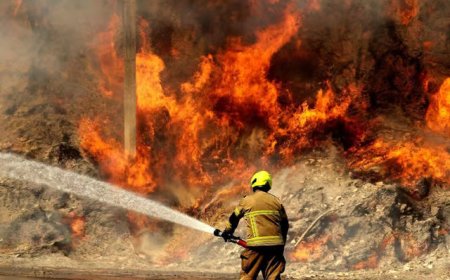





UK Petrol Prices Surge as Middle East Conflict Bites
British households face fresh cost of living pressure as Middle East tensions push petrol and diesel prices sharply higher, reigniting inflation fears.

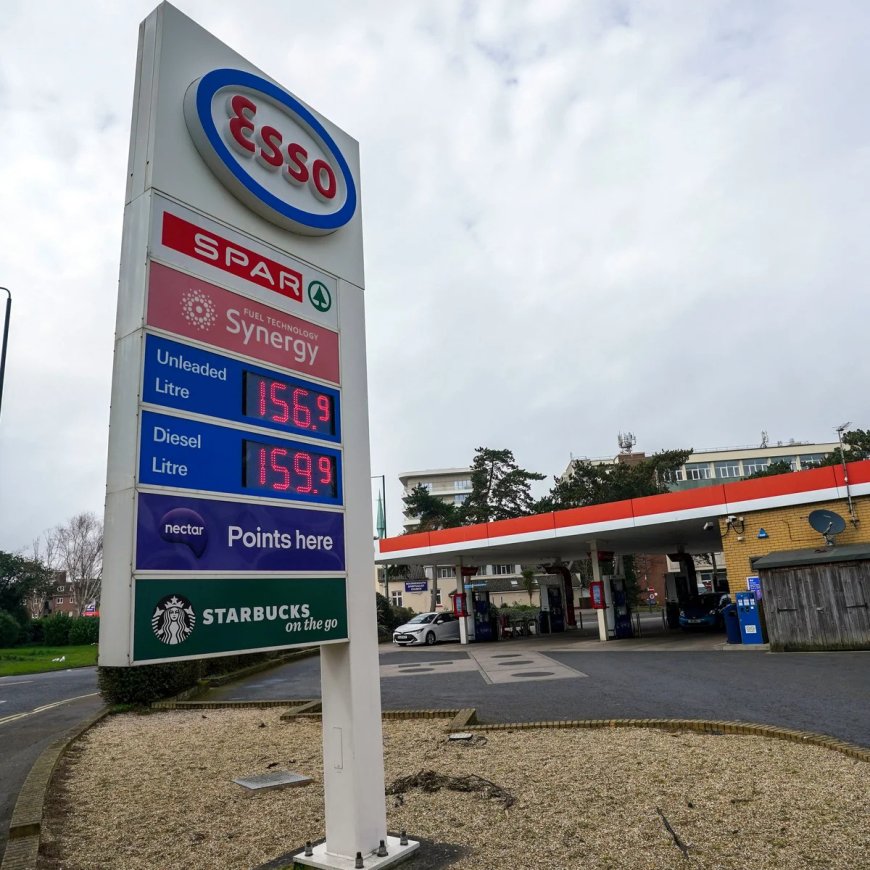
Middle East Tensions Push UK Fuel Prices Sharply Higher
The roots of the latest pressure can be traced back to February, when escalating conflict in the region disrupted routes critical to global oil and gas supply, including the Strait of Hormuz, a narrow shipping corridor through which roughly a fifth of the world's oil and liquefied natural gas supplies typically pass. Any disruption to that route tends to have an outsized effect on global energy prices, and this year has been no exception.
From Global Shock to the High Street
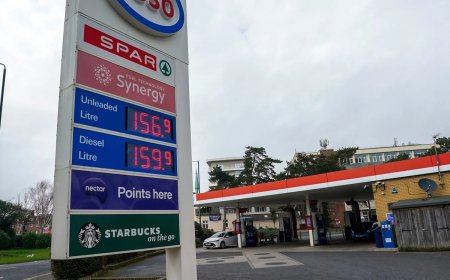
The consequences have been felt directly by British drivers. According to RAC Foundation data, petrol and diesel prices rose sharply between late February and mid-August, with diesel prices climbing particularly steeply. That increase has fed directly into the cost of running a car, heating a home, and transporting goods across the country, adding pressure at almost every point in the household budget.
Economists have been tracking the effect closely, noting that before the latest bout of regional conflict, the Bank of England had actually expected inflation to ease significantly through the year. Instead, the disruption to energy markets has kept price pressures elevated for longer than policymakers had anticipated, complicating efforts to bring inflation firmly back under control.
A Chancellor Under Continued Pressure
The renewed cost pressures land at a difficult moment for the government. Chancellor Rachel Reeves has faced sustained criticism over the state of the UK economy, including a challenging period for the public finances, rising borrowing costs, and mounting frustration from the business community over the impact of last year's Budget measures, particularly increases to employer national insurance contributions.
Retailers and manufacturers have repeatedly warned that higher operating costs are being passed on to consumers, compounding the effect of already elevated energy prices. Business groups have called on the Treasury to set out a clearer plan for supporting growth, arguing that without meaningful action, households will continue to absorb the brunt of both global shocks and domestic policy decisions.
What It Means for Household Budgets
For ordinary families, the practical impact is straightforward: higher costs for filling up the car, for goods delivered by road, and for energy bills that remain sensitive to global gas prices. Analysts note that fuel costs tend to feed through quickly into headline inflation figures, given how directly they affect transport costs across the wider economy.
Cost of living pressures had shown signs of easing earlier in the year, with inflation cooling from previous highs. However, the latest disruption threatens to interrupt that trend, raising the prospect of a bumpier path back toward the Bank of England's 2% inflation target than had previously been expected.
Consumer groups have urged households to shop around for the best fuel prices, review energy tariffs regularly, and take advantage of any available support schemes, while acknowledging that many of the underlying pressures are being driven by factors well beyond any individual household's control.
The Bigger Economic Picture
The renewed inflationary pressure also complicates the picture for the Bank of England's Monetary Policy Committee, which sets UK interest rates with a remit to keep inflation close to its 2% medium-term target. Persistent price pressures driven by global energy markets make the committee's task more difficult, particularly at a time when growth across the wider economy remains fragile.
For the Chancellor, the message from businesses and economists alike is consistent: households need a credible plan for growth and cost relief, not just short-term reassurance. With a major speech on economic strategy expected before the month is out, all eyes will be on what concrete measures the government proposes to ease the pressure on both businesses and household budgets.
Looking Ahead
Much will depend on how the situation in the Middle East develops in the weeks ahead. A de-escalation could ease pressure on global energy markets and offer some relief at the pumps, while continued disruption risks entrenching higher costs for longer.
For now, British households are being asked to absorb yet another round of rising costs, driven by events thousands of miles away but felt keenly on every high street forecourt and household energy bill across the country.
What's Your Reaction?
 Like
0
Like
0
 Dislike
0
Dislike
0
 Love
0
Love
0
 Funny
0
Funny
0
 Angry
0
Angry
0
 Sad
0
Sad
0
 Wow
0
Wow
0