















Missing Commonwealth Games Boxers: UK Asylum Probe
Police Scotland and the Home Office are investigating after four Ugandan boxers and one Pakistani athlete failed to return home following the Glasgow Commonwealth Games.

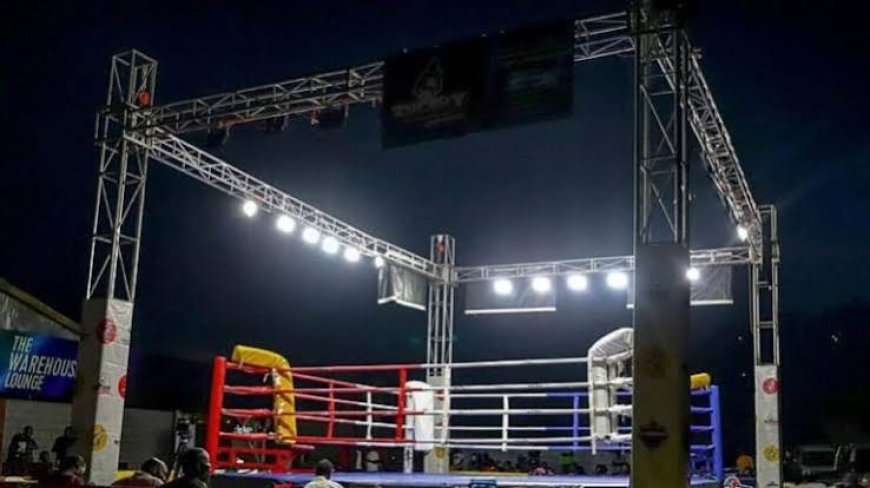
A Familiar Story Returns to Glasgow
More than a week after the closing ceremony brought the 2026 Commonwealth Games in Glasgow to an end, the sporting spectacle has taken an unexpected turn, with several athletes failing to board their scheduled flights home and reports suggesting at least some intend to remain in the UK and seek asylum.
Police Scotland has confirmed it received reports of a number of athletes unaccounted for following the Games, which ran across ten sports and welcomed roughly 3,000 competitors from 74 nations and territories. Officers say enquiries are ongoing to establish the full circumstances, with early engagement already under way with the Home Office.
Who Is Missing
The focus of the investigation has centred on Uganda's boxing squad, four of whose six members did not join the rest of the delegation for their return flight on Tuesday. Ugandan broadcaster NBS Sport identified them as Nuhu Batte, Angel Katushabe, Ibrahim Kemis and Emily Nakalema. A Pakistani boxer, named locally as Qudrat Ullah, was also reported missing after being absent from his accommodation ahead of his team's scheduled departure.
One of the missing Ugandan athletes reportedly told NBS Sport, speaking anonymously, that the group planned to pursue asylum and continue their boxing careers in Scotland, citing what he described as stronger training facilities and better prospects than at home. He reportedly appealed to Ugandans watching back home for understanding, asking not to be judged harshly for the decision.
Team Uganda's management has so far declined to comment publicly on the disappearances, while the rest of the Ugandan delegation returned home as planned.
Not the First Time
Athletes going missing after major multi-sport events hosted in wealthier nations is, uncomfortably, a well-established pattern rather than a new phenomenon. After the 2018 Commonwealth Games on Australia's Gold Coast, authorities were still searching for around 50 athletes and officials a full month after the closing ceremony, with roughly 190 people from the same group eventually lodging asylum claims.
Glasgow itself has seen this before. At the city's 2014 Commonwealth Games, two Ugandan rugby sevens players failed to return home and later went on to join a club side in Cardiff. Perhaps the most striking precedent involves Cameroonian weightlifter Cyrille Tchatchet, who left his country's delegation after the 2014 Games and rebuilt his life in Britain — training as a mental health nurse along the way. This year, twelve years on, Tchatchet returned to competitive Commonwealth Games action and won a silver medal representing England, a story that has been widely cited amid the current controversy as evidence of how such decisions can play out over the long term.
The Wider Context
Sports administrators and immigration analysts note that major international events increasingly present athletes from lower-income countries with a stark choice: return to limited funding, sparse facilities and uncertain career prospects at home, or use the temporary event visa that brought them to the UK as an opportunity to build a new life and continue competing with access to better resources.
For federations in countries such as Uganda, each departure represents a significant loss of talent and investment. Squads are often selected and funded years in advance, with national sporting bodies investing heavily in the athletes' training only to see some of their most promising competitors choose not to return.
What Happens Now
Police Scotland has stressed that its priority is establishing the athletes' welfare and whereabouts, working alongside the Home Office on any formal asylum applications that may follow. Under UK immigration rules, athletes who arrived on time-limited event visas and remain in the country beyond their authorised stay would need to regularise their status, typically by lodging an asylum claim or another form of leave to remain, in order to stay legally.
No timeline has been given for when the investigation might conclude, and officials have not ruled out that further athletes from other delegations could also be confirmed as unaccounted for as checks continue. For now, the story has added an unplanned coda to what organisers had hoped would be remembered chiefly for its sporting achievements and Glasgow's second turn as Commonwealth Games host.
Next Article
What's Your Reaction?
 Like
0
Like
0
 Dislike
0
Dislike
0
 Love
0
Love
0
 Funny
0
Funny
0
 Angry
0
Angry
0
 Sad
0
Sad
0
 Wow
0
Wow
0