




























Bank of England Holds Rates at 3.75% as Middle East Tensions Cloud Inflation Outlook
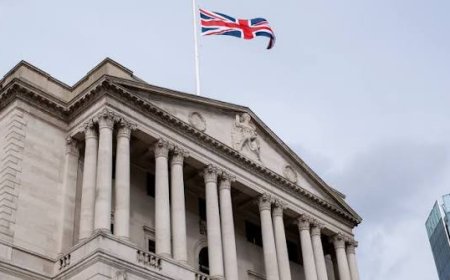
The Bank of England has kept interest rates unchanged at 3.75%, warning that Middle East-driven energy costs could push inflation to around 3.2% by the end of 2026.

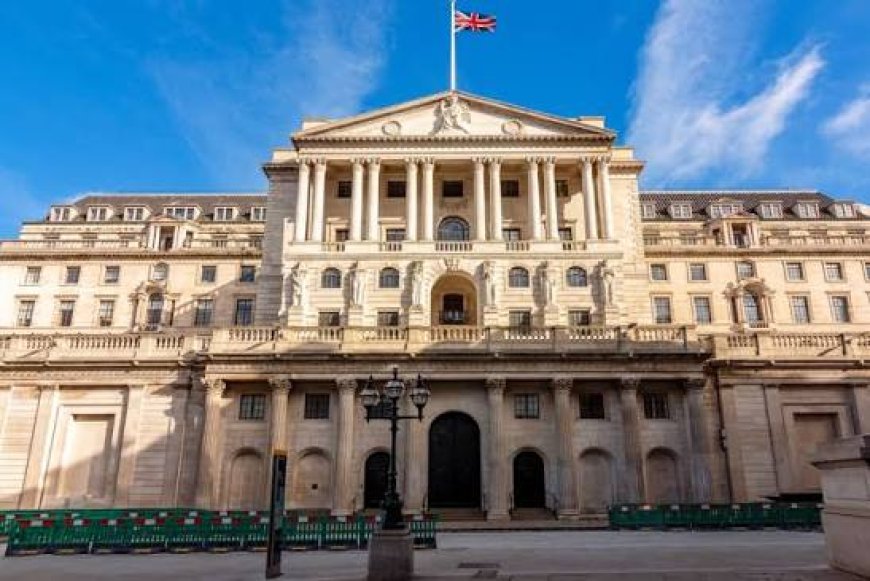
Rates Held for a Fifth Straight Time
The Bank of England's Monetary Policy Committee voted to leave the Bank Rate unchanged at 3.75% at its most recent meeting on 30 July, marking the fifth consecutive decision to hold rates at that level. The committee was notably split, with six members voting to keep rates on hold and three pushing for a quarter-point increase — a rare configuration that underlines just how divided policymakers currently are over the right response to a fast-changing economic picture.
The decision extends a holding pattern that has been in place since December 2025, when the Bank completed a run of four cuts during the year that brought rates down from a peak of 5.25% in August 2023. In total, the Bank Rate has fallen by 1.5 percentage points since August 2024, a shift the Bank itself has described as having meaningfully reduced how restrictive monetary policy currently is — a key reason further cuts are now, in its words, "a closer call."
Inflation Still Running Above Target
The backdrop to the decision is inflation that remains stubbornly above the Bank's 2% target. Consumer price inflation stood at 2.6% in June 2026, and the Bank's own projections, published alongside the July decision, point to inflation climbing further, with a central estimate that it could peak at around 3.2% by the final quarter of the year.
That upward revision marks a shift from earlier in 2026, when domestic price and wage pressures had been showing signs of continued easing. The change in tone reflects a specific and largely external shock: a sharp rise in global energy and commodity prices tied to the conflict in the Middle East, which has pushed up household fuel and utility costs as well as raising costs for businesses across the economy.
Watching for Second-Round Effects
Bank officials say they are closely monitoring the risk that this energy-driven price shock feeds through into broader wage and price-setting behaviour — so-called second-round effects — which could make the inflation spike more persistent rather than temporary. The longer energy costs remain elevated, the Bank has warned, the greater that risk becomes.
At the same time, policymakers have pointed to a potential offsetting factor: the drag that higher energy costs place on overall economic activity could itself help limit the extent of any wage-price spiral, by cooling demand elsewhere in the economy. It is this delicate balance — between an external shock pushing prices up and its own dampening effect on growth — that appears to explain the unusually split vote among committee members.
What It Means for Households
For borrowers, the decision means mortgage rates are likely to remain broadly stable in the near term, following a period of gradual cuts through 2025 that had already delivered some relief. For savers, meanwhile, the picture has become somewhat less favourable, with average easy-access savings rates having drifted down over recent months even as inflation ticks back up — a combination that continues to erode real returns on cash savings.
Financial analysts have cautioned that households hoping for a swift return to the ultra-low borrowing costs of the pandemic era are likely to be disappointed. Danni Hewson, head of financial analysis at AJ Bell, noted earlier this year that markets were pricing in at most one or two further rate cuts over the coming twelve months, reflecting just how much uncertainty remains baked into the outlook.
Looking Ahead
The Bank's next scheduled decision will offer the first real test of whether July's hold proves to be the start of an extended pause or merely a pit-stop before further movement in either direction. Much will depend on developments in the Middle East and their knock-on effect on global energy markets — factors largely outside the Bank's control, but central to how it now assesses the path of UK inflation.
For now, the message from Threadneedle Street is one of caution rather than commitment: rates are being held not because the inflation picture has been resolved, but because the risks on either side — persistent price pressure from energy costs, and the drag that same pressure places on growth — currently appear too finely balanced to act on with confidence.
Next Article
What's Your Reaction?
 Like
0
Like
0
 Dislike
0
Dislike
0
 Love
0
Love
0
 Funny
0
Funny
0
 Angry
0
Angry
0
 Sad
0
Sad
0
 Wow
0
Wow
0