





























UK Cost of Living Crisis Fears Return This Autumn
Households brace for a fresh squeeze as the Bank of England eyes a rate rise and Ofwat considers surge pricing for water. Here's what it means for your bills.


Households Told to Brace for a New Squeeze on Budgets
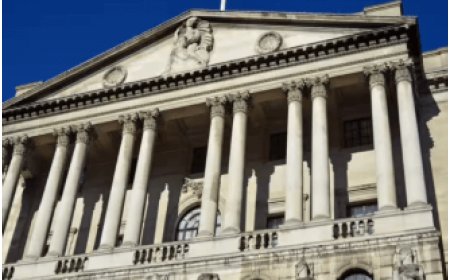
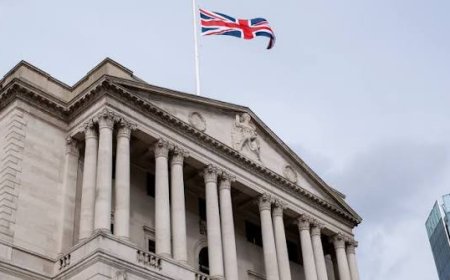
British households are being warned of a fresh cost of living crisis this autumn as the Bank of England edges closer to raising interest rates for the first time in years, while the water regulator considers letting suppliers charge more for water during droughts.
After a period of gradual disinflation, families are once again facing the prospect of higher borrowing costs, pricier household bills and squeezed disposable income, just as the memory of the last cost of living crisis was beginning to fade.
Why the Bank of England Is Weighing a Rate Rise
The Bank's Monetary Policy Committee has held its base rate at 3.75% through five consecutive meetings, but that run of stability may be coming to an end. Market analysts now expect the Bank could begin lifting rates as soon as its September meeting, with some forecasters pencilling in two further quarter-point increases before the year is out.
The shift in expectations follows renewed volatility in global energy markets, largely linked to the ongoing conflict in the Middle East, which has driven up oil and gas prices and, in turn, domestic fuel and heating costs. Having cooled to 2.6% in June — its lowest level in more than a year — headline inflation is now expected by the Bank's own projections to climb again, potentially peaking above 3% by the final quarter of the year.
At its most recent meeting, the Monetary Policy Committee voted 6-3 to hold rates, with three members pushing for an immediate increase to 4% amid growing unease that higher energy costs could become embedded in the wider economy. The next scheduled decision falls on 17 September, and it is being watched closely by mortgage holders and lenders alike, since expectations about future rate moves already feed directly into the pricing of fixed-rate mortgage deals.
For homeowners coming to the end of a fixed-rate deal, that uncertainty is unwelcome. Swap rates, which underpin how banks price new mortgages, have already risen sharply since the Middle East conflict began, reversing what had been widespread expectations of rate cuts earlier in the year.
Water Bills Could Rise Further Under "Surge Pricing" Plans
Compounding the pressure on household budgets, the water regulator Ofwat is reportedly examining proposals that would allow suppliers to introduce so-called surge pricing, charging more for water usage during periods of drought or scarcity. Under the plans, bills could vary by season or by how much a household uses, with most schemes expected to rely on customers having a smart meter installed.
The proposals have emerged just days after roughly three-quarters of the UK was formally declared to be in drought, with more than 27 million people already living under hosepipe restrictions and firefighters tackling wildfires across large parts of the country. If given the go-ahead, any new pricing framework is expected to take effect from next April, layering additional costs onto bills that have already risen sharply in recent years to fund investment in ageing infrastructure.
Consumer groups are likely to scrutinise any surge pricing plan closely, given widespread public frustration over sewage discharges, leakage rates and executive pay in the water industry, even as companies ask customers to pay more.
What It Means for Household Finances
Taken together, the prospect of higher interest rates and steeper water charges threatens to reopen a cost of living debate that many households had hoped was behind them. Mortgage repayments, rents, energy bills and now potentially water bills could all move upward at once, just as wage growth shows signs of cooling.
Economists caution that the path of inflation over the coming months remains highly uncertain and will depend heavily on how the situation in the Middle East develops. A further escalation could push energy prices — and therefore inflation — higher still, while any de-escalation could ease some of the pressure the Bank is currently weighing.
For now, households are being advised to review fixed-term deals, budget for potential increases in monthly outgoings, and keep a close eye on the Bank's September announcement, which could set the tone for household finances well into next year.
The Bigger Picture
The renewed squeeze arrives at a delicate moment for the government, which has repeatedly pledged to ease pressure on family budgets. With energy, water and borrowing costs all pointing in the same direction, ministers may find themselves under fresh pressure to intervene, whether through support for vulnerable households, closer regulation of water companies, or reassurance to markets that inflation will be brought back under control without further damaging growth.
What's Your Reaction?
 Like
0
Like
0
 Dislike
0
Dislike
0
 Love
0
Love
0
 Funny
0
Funny
0
 Angry
0
Angry
0
 Sad
0
Sad
0
 Wow
0
Wow
0