




























FTSE 100 Wobbles as Mining Stocks Slide and Middle East Tensions Push Oil Higher
The FTSE 100 struggled for direction on Friday as weak copper guidance from Antofagasta and rising Strait of Hormuz tensions offset upbeat US inflation data.

Early Optimism Fades
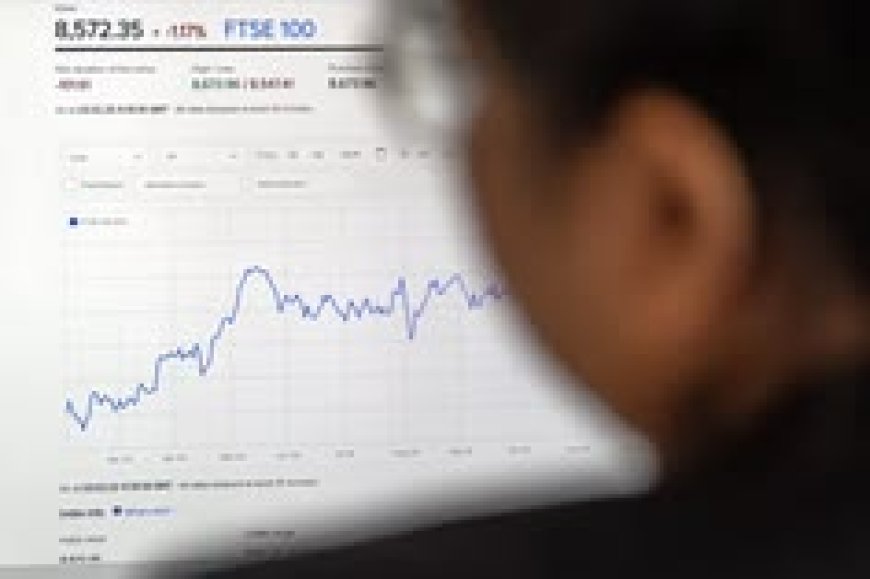
London markets opened Friday on a positive note, with the FTSE 100 pointing to a stronger start after four consecutive sessions of losses. Futures suggested a rise of around 33 points, building on overnight momentum from Wall Street, where the S&P 500 closed at a fresh record high after a softer-than-expected US inflation reading eased concerns about further interest rate tightening from the Federal Reserve.
That optimism did not last. Within hours of the opening bell, the index had surrendered most of its gains and slipped into negative territory, extending its losing run to a fifth straight session. By midday, the FTSE 100 was trading modestly lower, having swung between an early high above the previous day's close and a session low well beneath it — a pattern that underlined just how quickly sentiment can shift when domestic weakness meets external shocks on the same trading day.
Miners Bear the Brunt
The clearest drag on the index came from the mining sector. Antofagasta, one of the world's larger copper producers, weighed heavily on the FTSE after cutting its production outlook, a move that rippled across the broader resources sector. Fellow miners Glencore, Fresnillo and Endeavour Mining also slipped as lower industrial-metal prices compounded investor unease. Given how heavily London's index leans on resource companies relative to other major markets, even a single downgrade from a major producer can move the whole index — and Friday was a clear demonstration of that dynamic.
Oil Climbs on Renewed Middle East Risk
Compounding the mood was a fresh bout of concern over the Strait of Hormuz, the narrow waterway through which a substantial share of the world's seaborne oil passes. Ongoing tension between the United States and Iran, including reported threats of a prolonged naval presence in the area, pushed Brent crude up by roughly 1.7% to around $88.50 a barrel. Higher oil prices tend to cut both ways for the FTSE: energy majors such as BP and Shell often benefit, but the broader market can suffer if investors interpret rising crude as a sign of deepening geopolitical instability rather than simple supply tightness.
Domestic Data Adds to the Uncertainty
UK economic data added another layer of complexity. A weaker-than-expected reading on GDP growth tempered the earlier boost from Wall Street's rally, even as a separate, stronger monthly figure offered some reassurance that the slowdown may not be as steep as feared. Investors have been closely watching domestic growth numbers in recent weeks for clues about the path of Bank of England policy, particularly given the central bank's recent decision to hold interest rates steady rather than resume the cutting cycle many had expected earlier in the year.
Away from the FTSE 100, the picture was mixed. The FTSE 250, which tends to be more exposed to the domestic economy than its blue-chip counterpart, edged higher, while the smaller FTSE AIM All-Share index was essentially flat. That divergence suggests investors were drawing a fairly precise distinction between companies exposed to global commodity swings and geopolitical risk, and those more tied to the UK's day-to-day economic performance.
What Investors Are Watching Next
Market participants are likely to keep a close eye on three threads in the days ahead: any further guidance from major miners following Antofagasta's downgrade, the trajectory of oil prices as the Iran situation develops, and upcoming UK economic releases that could shape expectations for the Bank of England's next move. With the index having now logged five consecutive down sessions, attention will also turn to whether Friday's early rally attempt was a genuine turning point or simply a pause in a longer run of weakness.
For now, London's market remains caught between two competing forces: a broadly supportive global backdrop, led by record highs on Wall Street, and a set of very specific, very local pressures — from a single mining company's production guidance to the UK's own uneven growth picture — that continue to pull in the opposite direction.
Next Article
What's Your Reaction?
 Like
0
Like
0
 Dislike
0
Dislike
0
 Love
0
Love
0
 Funny
0
Funny
0
 Angry
0
Angry
0
 Sad
0
Sad
0
 Wow
0
Wow
0