


























UK Heatwave 2026: Wildfires, Drought Grip Britain
England faces its fifth heatwave of summer 2026, with wildfires, flash drought and NHS pressure prompting a Downing Street emergency response.

Fifth Heatwave in Three Months Pushes England to Breaking Point
Britain is bracing for its fifth heatwave of the summer as forecasters predict temperatures could climb as high as 36°C this week, deepening a drought crisis that has already left much of England parched, tinder-dry and increasingly prone to fire.
The Environment Agency says more than seven in ten areas of England are now experiencing what is known as a "flash drought" — a rapid deterioration driven by an unusually dry start to August following the driest July on record. Rainfall across large parts of the country has fallen to a fraction of its usual level, leaving reservoirs low, rivers depleted and soil so dry that even brief showers do little to ease the danger.
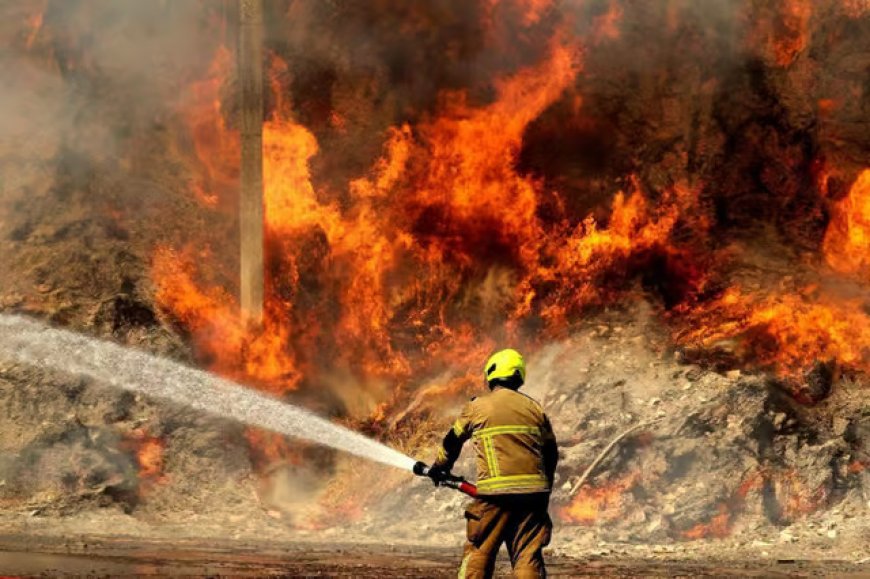
The consequences are visible everywhere. Fire and rescue services across England and Wales have been run off their feet, responding to hundreds of wildfires in recent weeks. Figures from the National Fire Chiefs Council show nearly 1,000 wildfire incidents so far this year, with the first ten days of August alone accounting for well over 150 callouts. July was the busiest month for wildfires on record.
Government Steps Up Emergency Response
The scale of the crisis has prompted direct intervention from the top of government. The Prime Minister has chaired emergency talks with ministers, fire chiefs and health officials to coordinate the national response, while also urging retailers to stop selling disposable barbecues — a leading cause of accidental grassland fires during hot, dry spells.
Natural England has raised the wildfire risk to "exceptional" in several regions, its highest possible warning level, meaning even a discarded cigarette or a spark from machinery could ignite a blaze capable of spreading rapidly across parched moorland and heath. Areas such as Dartmoor and Suffolk's coastal heathland have already seen significant fire activity this summer, with crews carrying out multi-day operations to dampen down smouldering peat and prevent flare-ups.
Health Secretary Yvette Cooper thanked NHS staff for again stepping up under pressure, stressing that extreme heat can be genuinely dangerous and urging the public to stay alert to official warnings. Several NHS trusts have declared critical incidents in recent weeks as soaring temperatures affected hospital equipment, from imaging scanners to cancer treatment machines, while also driving a rise in heat-related admissions among elderly and vulnerable patients.
Water Restrictions Widen as Supplies Dwindle
Water companies across southern and eastern England have introduced or extended hosepipe bans affecting hundreds of thousands of households, as reservoir levels sink well below seasonal averages. Officials say a single spell of heavy rain will not be enough to reverse the damage; sustained rainfall over weeks, not days, is needed for vegetation and soil moisture to recover meaningfully.
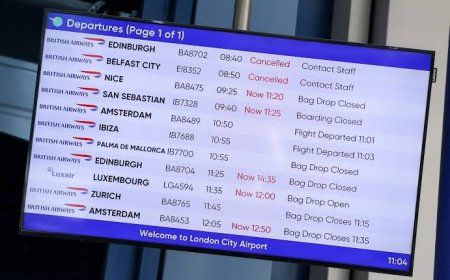
Transport networks have also felt the strain, with rail operators warning of potential speed restrictions as tracks expand in the heat, echoing disruption seen during previous record-breaking summers. Schools, sports clubs and outdoor venues have been advised to adjust activities to protect children and older residents from heat exhaustion.
A Pattern That Is Becoming the New Normal
What makes this summer particularly alarming to climate scientists is not just the intensity of the heat but its frequency. This is Britain's fifth heatwave since June, and meteorologists say such repeated extreme spells are becoming a more regular feature of the UK climate rather than a rare exception.
The Met Office's latest climate assessment, published alongside the current emergency, concludes that the frequency and intensity of extreme heat events in the UK are rising in line with long-term climate trends. Officials say the issue now extends well beyond short-term weather forecasting into questions of long-term infrastructure resilience — from building design and urban shading to water storage, peatland restoration and early-warning systems for the public.
What Happens Next
Forecasters expect the current heatwave to persist across England and Wales through at least the coming weekend, with only limited chances of thundery showers in the south-west offering brief relief. Temperatures may ease slightly in the following week, but are expected to remain above seasonal averages.
For now, fire services, councils and hospitals are being urged to plan not just for this week's heat, but for a future in which such extremes arrive earlier in the year and last longer than Britain's infrastructure was originally built to withstand.
What's Your Reaction?
 Like
0
Like
0
 Dislike
0
Dislike
0
 Love
0
Love
0
 Funny
0
Funny
0
 Angry
0
Angry
0
 Sad
0
Sad
0
 Wow
0
Wow
0