

























Rajpal Yadav After Interim Bail: Gratitude to Fans, Calls for Smoking Rooms in Indian Prisons
Rajpal Yadav released on interim bail in ₹9 crore cheque bounce case, thanks Sonu Sood and industry supporters. From Tihar Jail, he urges prison reforms including designated smoking areas.

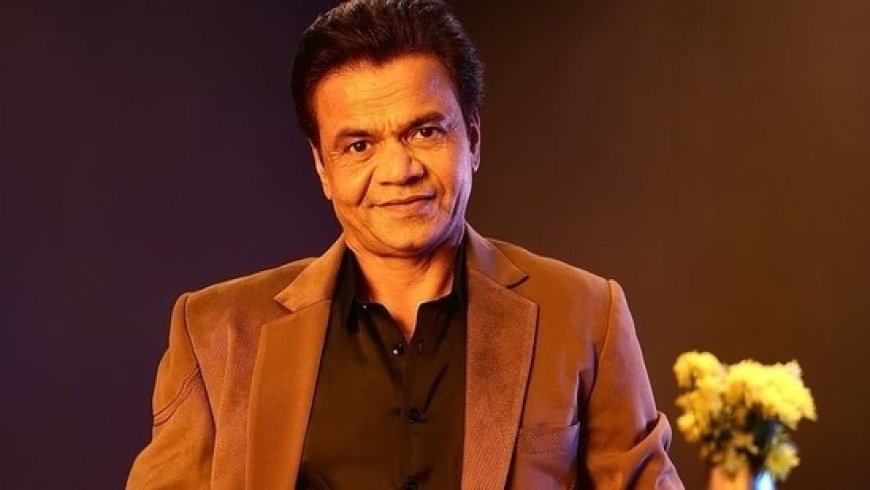
Rajpal Yadav After Interim Bail: Gratitude to Fans, Calls for Smoking Rooms in Indian Prisons
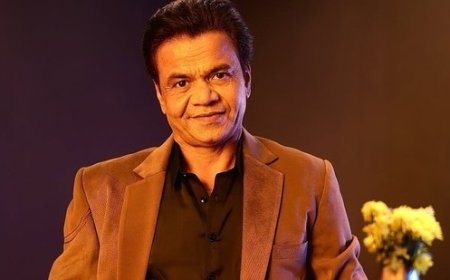
Shahjahanpur, Uttar Pradesh — After being granted interim bail in a high-profile cheque-bounce case, Bollywood actor Rajpal Yadav expressed gratitude to his fans and the film fraternity, while also making an unconventional appeal for improvements in prison facilities—including designated smoking rooms inside jails.
The veteran actor, known for his memorable comic roles in films like Phir Hera Pheri, Bhool Bhulaiyaa and Mujhse Shaadi Karogi, was released from Tihar Jail this week after the Delhi High Court temporarily suspended his sentence in a case related to a bounced cheque amounting to nearly ₹9 crore. The court granted him interim bail until March 18 after he deposited ₹1.5 crore into the complainant company's account, demonstrating his willingness to settle part of the outstanding amount.
Upon arriving at his ancestral village in Shahjahanpur, Uttar Pradesh, Yadav opened up to media about his experience, his struggles, and what he believes needs to change—not just for himself, but for others who end up behind bars due to legal disputes or procedural delays.
Gratitude to Supporters
In his first public comments since leaving jail, Yadav thanked the general public and members of the film industry who rallied behind him during his difficult period. He said the outpouring of support—from fans across the country and colleagues in Bollywood—had deeply moved him and made a significant emotional difference in what was otherwise a stressful situation.
Several prominent figures from the entertainment world, including actors such as Sonu Sood and Gurmeet Choudhary, as well as music composer Rao Inderjit Yadav, had stepped forward to offer financial assistance to Yadav's family soon after he surrendered to jail authorities. This gesture, they hoped, would help his loved ones manage expenses while he was incarcerated.
Sonu Sood, known for his extensive philanthropic work, has been particularly vocal in supporting struggling colleagues. His offer to provide acting opportunities and financial assistance reflects a broader spirit of solidarity within the industry when one of its own faces adversity. The Federation of Western India Cine Employees (FWICE) had earlier appealed to production houses and fellow actors to extend support, reinforcing the idea that the film community is a close-knit ecosystem in times of need.
A Call for Prison Facility Reforms
One of the most talked-about moments in Yadav's statement was his call for designated smoking areas inside prisons, akin to what one might find at airports or railway stations. He suggested that such facilities could help maintain order and better accommodate the needs of inmates who smoke—a group that, he argued, deserves consideration within the confines of prison life.
Yadav maintained that he was not promoting tobacco use and clarified that he himself had attempted to quit smoking multiple times. His argument was framed less as an endorsement of smoking and more as a plea to improve living conditions for inmates, who often spend months or years within facilities that lack basic amenities.
The actor's proposal, while seemingly specific, touches on broader questions about prison conditions and the rights of inmates to humane treatment. Smoking zones, he suggested, would represent just one aspect of a more dignified approach to incarceration that recognises prisoners as human beings deserving of basic consideration.
Why This Matters to Him
The actor stressed that incarceration should not be solely punitive, but also reformative. Yadav emphasised that prisons ought to act as centres for rehabilitation, offering structured opportunities for inmates to reflect, reform, and prepare for a productive return to society. He pointed out that sometimes it's difficult for those on the outside—even judges and juries—to distinguish between a hardened criminal and someone who may have made a single mistake in life.
This perspective, he suggested, should inform how prison systems are designed and administered going forward. While he acknowledged that the rule of law must always be upheld, he urged a more humane approach in how inmates are treated pending legal proceedings.
His comments highlight a tension within the criminal justice system between punishment and rehabilitation. For many inmates, particularly those convicted of non-violent offences or caught in complex financial disputes, the experience of imprisonment can be counterproductive, exposing them to hardened criminals and reducing their chances of successful reintegration into society.
Yadav pointed to cases where individuals spend long stretches behind bars without due consideration of their conduct or potential for reform. He argued that structured programmes, education, and skill development could help inmates rebuild their lives and contribute positively to society upon release.
Personal Reflections and Clarifications
In his remarks, Yadav also addressed personal themes that extend beyond his legal troubles. He noted that he was born and raised in India, has never changed his passport, and still remains a voter in his home village, subtly pushing back against rumours and speculation about his life choices that had circulated during his incarceration.
He conveyed that what he seeks now is not sympathy, but time—time to work, to earn, and to make things right. "I want to increase my earnings, not change my currency," he said with characteristic self-deprecating humour, underlining his focus on rebuilding his career and reputation through honest work.
To lighten the mood, Yadav even joked about public perception of him: whether people laugh at him or because of him doesn't matter, as long as they find joy in his performances. This lighthearted remark reminded fans of the comic timing and warmth that have made him a beloved figure in Indian cinema.
Looking Ahead
Yadav also announced that his lawyer, Bhaskar Upadhyay, will handle all official legal queries related to his case, and that he himself will take a brief media break due to family commitments, including attending a wedding. A formal press conference is expected in the coming days where he will address questions in more detail.
Meanwhile, his next court hearing regarding the cheque bounce matter is scheduled for March 18, when the Delhi High Court will review the circumstances of his interim bail and the progress made toward settling the remaining debt. The substantial outstanding amount remains a significant hurdle, and his legal team is working diligently to arrange the necessary funds and reach a settlement that satisfies the court and the complainant.
In the meantime, several film projects are reportedly being discussed, offering Yadav a path back to the work that made him a household name. His fans, who grew up laughing at his comic performances, eagerly await his return to the screen.
The Human Side of Incarceration
Yadav's comments also offer a glimpse into the human experience of imprisonment, a reality that many in the public rarely consider. His observations about daily life inside Tihar Jail, while filtered through his celebrity perspective, nonetheless reflect challenges faced by thousands of inmates across the country.
For someone accustomed to the comforts of celebrity life, the transition to prison would be particularly jarring. His suggestion for smoking zones may seem trivial to some, but it speaks to a broader desire for spaces where inmates can experience some semblance of normalcy and dignity amid the harsh realities of incarceration.
Also Read: UK Wage Growth Slows to 4.2% as Labour Market Weakens, BoE Rate Cut Hopes Rise
Conclusion: A Comedian's Serious Message
Rajpal Yadav's journey from Tihar Jail to freedom, and his subsequent calls for prison reform, offer an unexpected twist in a story that began as a financial dispute. Behind the unusual proposal for smoking zones lies a more serious message about human dignity, rehabilitation, and the need for a justice system that looks beyond punishment.
Whether his comments will lead to any tangible change remains to be seen. But they have succeeded in drawing attention to an issue that rarely makes headlines: the conditions inside India's prisons and the lives of those confined within them.
For now, Yadav enjoys his freedom, grateful for the support he has received and determined to resolve the legal challenges that remain. His fans, meanwhile, await his return to the screen, hoping that the man who brought them so much laughter will soon be laughing again himself.
Bail granted. Prison reform proposed. A comedian's serious message about dignity behind bars.
What's Your Reaction?
 Like
0
Like
0
 Dislike
0
Dislike
0
 Love
0
Love
0
 Funny
0
Funny
0
 Angry
0
Angry
0
 Sad
0
Sad
0
 Wow
0
Wow
0