
































UK Salmonella Outbreak: One Dead, 200+ Cases Confirmed
Health officials are investigating a nationwide salmonella outbreak tied to imported eggs after one death and more than 200 confirmed cases across the UK.

One Death and Over 200 Cases in Nationwide Outbreak
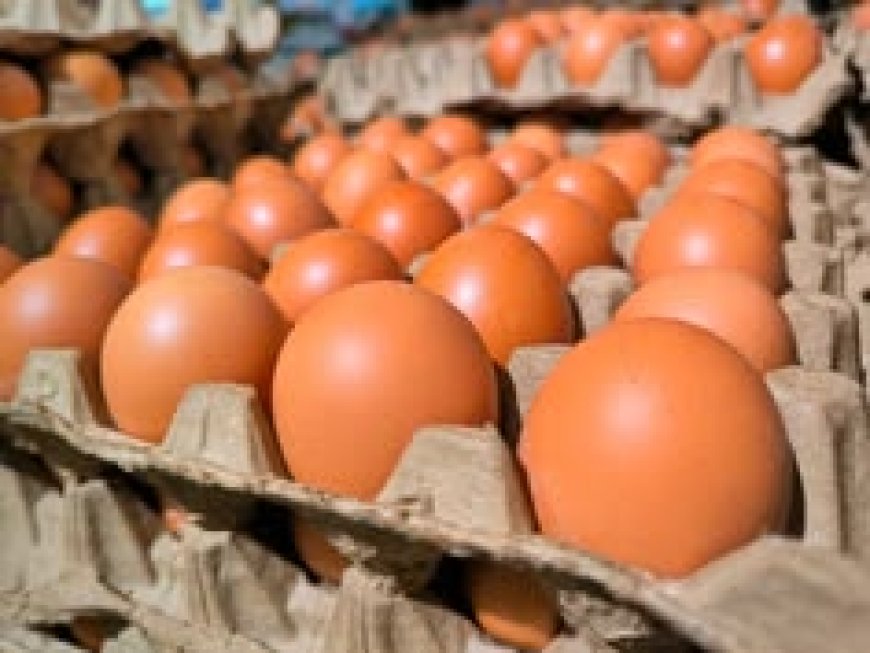
Health officials have confirmed that one person has died and more than 200 others have fallen ill in a salmonella outbreak that appears to be linked to eggs imported into the UK from abroad. The UK Health Security Agency (UKHSA) says the outbreak has been building since last summer, with the vast majority of cases recorded so far this year.
According to the latest figures, 207 confirmed cases have been recorded between 11 August last year and 1 August this year. The overwhelming majority, 199 cases, were in England, with six in Scotland, one in Wales and one in Northern Ireland. London and Yorkshire and Humber have recorded the highest regional case numbers.
Who Has Been Affected
The outbreak has touched people across the entire age spectrum, from infants to a 90-year-old, with a median age of 30 among those affected. Just over half of confirmed cases have been in women. Of particular concern to health officials is the severity of illness in a significant proportion of cases: around 38% of those with hospital data available required admission for treatment, and two patients went on to develop serious bloodstream infections.
The Suspected Source
Investigators from UKHSA, working alongside the Food Standards Agency (FSA), the Animal and Plant Health Agency and devolved health bodies, have been tracing the outbreak using whole genome sequencing, a technique that allows scientists to match the genetic fingerprint of bacteria found in different patients.
That analysis has identified a single strain of Salmonella Enteritidis behind all confirmed cases, indicating a common source of contamination rather than a series of unconnected incidents. Investigators say the strain is genetically linked, within a narrow margin, to a separate outbreak recorded in 2025 that was also traced back to imported eggs.
Of the cases interviewed so far, the overwhelming majority reported eating food prepared outside the home in the week before symptoms began. Investigators have identified a handful of food businesses where multiple unrelated cases reported eating in the days before falling ill, and a notable proportion of those cases involved dishes made with eggs.
Officials stress that the food businesses linked to the outbreak were supplied with eggs from a range of sources, including importers, and that possible cross-contamination events have been identified at some premises.
No Link to British Eggs
Crucially, health officials have been at pains to stress that there is currently no evidence connecting the outbreak to eggs or poultry produced within the UK. The FSA's head of incidents said investigators have not yet pinpointed the exact cause, but that all evidence gathered so far points toward imported eggs used predominantly by restaurants, cafes and other catering establishments, rather than eggs bought directly by households for home cooking.
This distinction matters for consumers: there is no suggestion at this stage that eggs bought in UK supermarkets carry any elevated risk, and officials have not issued a blanket warning against egg consumption.
What Officials Are Doing Now
The FSA says it is working directly with environmental health teams at the affected premises to review food safety practices and reduce the risk of further contamination. Investigations across the wider food supply chain are ongoing, and officials say further precautionary measures will be considered if evidence justifies them.
UKHSA's lead epidemiologist for gastrointestinal infections said the priority now is to identify the precise point of contamination within the supply chain, so that any necessary controls can be put in place quickly.
Practical Advice for the Public
Salmonella infection typically causes diarrhoea, fever, stomach cramps and vomiting, usually appearing within 12 to 72 hours of eating contaminated food, with symptoms lasting up to a week. Most healthy adults recover without medical treatment, but young children, elderly people and those with weakened immune systems are at greater risk of severe illness.
Standard food hygiene advice remains the best line of defence: cook eggs thoroughly, particularly for dishes served to vulnerable groups such as young children, pregnant women, the elderly or those who are immunocompromised, and ensure kitchens maintain strict separation between raw and ready-to-eat foods.
As the investigation continues, health officials say they will provide updates as more information becomes available, with the food supply chain investigation likely to remain the central focus in the coming weeks.
Next Article
What's Your Reaction?
 Like
0
Like
0
 Dislike
0
Dislike
0
 Love
0
Love
0
 Funny
0
Funny
0
 Angry
0
Angry
0
 Sad
0
Sad
0
 Wow
0
Wow
0