

























New Rules Make Converting Pubs Into Homes Harder
Tougher planning protections for England's pubs come into force this week, requiring developers to prove a pub has no viable future before conversion.

Stronger Protections for the Local
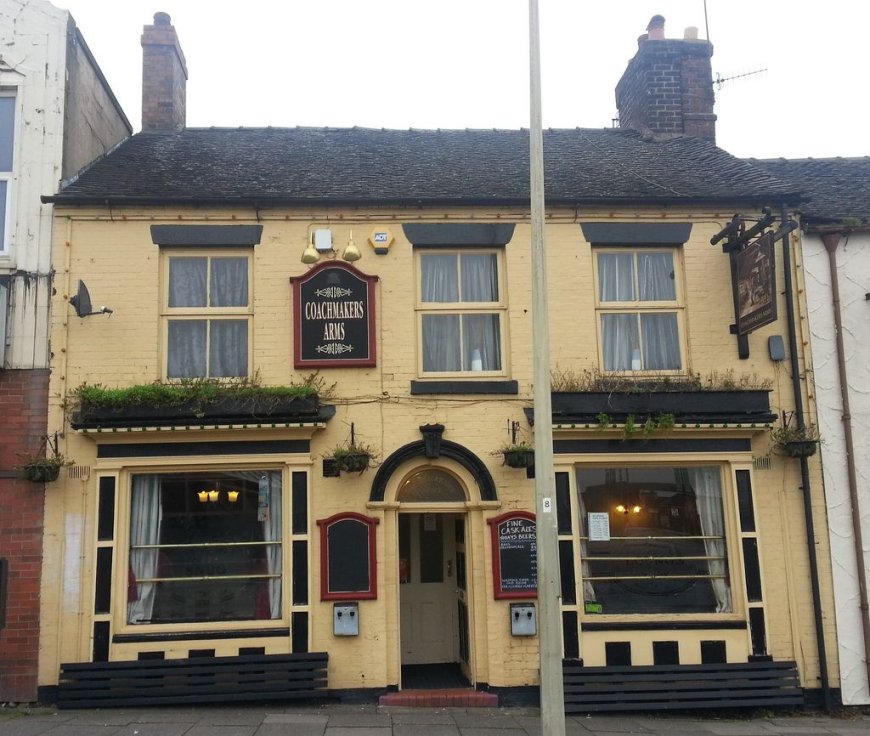
Converting a pub into flats or office space is set to become considerably harder in England, after ministers strengthened planning protections aimed at preserving one of the country's most cherished community institutions. The updated National Planning Policy Framework, which comes into force this week, introduces a higher bar for developers hoping to change a pub's use.
Under the revised rules, anyone seeking to convert a pub will need to demonstrate there is no realistic prospect of keeping the business running as a pub, including evidence that the premises was actively marketed for sale for a minimum of 12 months. Councils will also be required to weigh up what the loss of a pub would mean for a neighbourhood's social fabric, rather than assessing applications on planning grounds alone.
From "Last Pub Standing" to Broader Protection
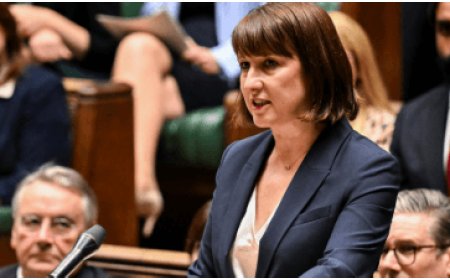
The move marks a significant shift from an earlier version of the policy, which would have offered protection only to the last remaining pub in a given area. Housing Secretary Angela Rayner had been working on a wider planning overhaul, and the final framework extends protection to pubs more broadly, rather than limiting safeguards to those already at risk of becoming the sole surviving venue locally.
Supporters of the change argue it will help prevent so-called "deliberate neglect", where a pub's trade is allowed to decline specifically to strengthen the case for redevelopment. By requiring documented evidence of a lasting sales effort, the government hopes to close off that route and give historically successful pubs a stronger defence against closure.
Industry Reaction Is Cautiously Positive
Pub and hospitality groups have broadly welcomed the tightening of the rules, while cautioning that planning protection alone will not solve the deeper financial pressures facing the sector. Industry figures argue that rising taxes and employment costs remain the primary drivers behind pub closures, which have been running at a rate of almost two per day this year. One hospitality representative said any measure making it harder to strip communities of important local assets should be welcomed, but urged the government to keep addressing the wider financial strain the sector has faced in recent years.
The Conservatives have used the announcement to renew criticism of the governing party's broader housing record, arguing ministers are falling well short of their own housing delivery targets. Labour has pledged to build 1.5 million homes in England by 2029 and says it has delivered 392,000 since taking office in July 2024, a pace critics argue leaves a substantial gap still to close.
Heritage Groups Raise Concerns Over Wider Changes
Not every element of the updated framework has been welcomed. As part of the same reforms, some heritage and consultation bodies will lose their formal status as statutory consultees on housing development applications. The Gardens Trust, a charity focused on the conservation of parks and historic gardens, described the removal of its statutory role as a damaging blow, warning that it leaves valued green and heritage spaces more exposed to poorly considered development. Under the new arrangements, the Gardens Trust and the Theatres Trust will still be notified of relevant planning applications, and Sport England will continue to be consulted on significant cases, but their formal input will carry less weight than before.
What It Means Going Forward
For pub landlords and community campaigners, the changes offer a stronger legal footing to resist conversion attempts and challenge developers who cannot demonstrate a pub is genuinely unviable. For developers, the higher evidential bar is likely to slow, though not entirely halt, the flow of pub-to-residential conversions that have reshaped high streets in recent years.
Whether the reform meaningfully slows the closure rate of British pubs remains to be seen. With planning protection now strengthened but underlying cost pressures largely unchanged, the survival of many local pubs may still hinge less on planning law and more on the everyday economics of running a hospitality business in 2026.
What's Your Reaction?
 Like
0
Like
0
 Dislike
0
Dislike
0
 Love
0
Love
0
 Funny
0
Funny
0
 Angry
0
Angry
0
 Sad
0
Sad
0
 Wow
0
Wow
0