






























Emergency Alert Risked Domestic Abuse Victims, Charities Say
Women's Aid says Friday's national wildfire alert gave no warning to domestic abuse charities, risking exposure of survivors' hidden phones. Here's what happened.

A Safety Warning That Raised Safety Concerns of Its Own
An emergency government alert intended to warn the public of extreme wildfire danger has instead sparked concern that it may have endangered some of the country's most vulnerable people. Domestic abuse charities say the notification, sent to millions of mobile phones on Friday evening, gave too little warning to allow survivors hiding secret phones from abusers to prepare.
The alert, which cautioned against disposable barbecues, naked flames and fireworks amid a "very high" national wildfire risk, represented the largest use yet of the UK's Emergency Alerts system. It caused phones across England and Wales to blare loudly and vibrate, even when set to silent, at around 7pm on 14 August.
Why Hidden Phones Matter So Much
Charities including Women's Aid say many domestic abuse survivors rely on a second, concealed phone to contact support services, friends or family without an abusive partner's knowledge. An unexpected, loud alert can instantly reveal that a hidden device exists, a discovery campaigners warn could place a survivor in immediate danger.
Veronica Oakeshott, head of external affairs at Women's Aid, said survivors often depend on these devices to access potentially lifesaving support or to plan an escape from an abusive situation, and that keeping such phones concealed is critical to their safety. Maggie Evans, director of frontline services at the charity Hourglass, said the systems designed to protect the public must not become a source of risk to survivors themselves, and called for greater safeguarding around how future alerts are issued.
Little Warning Reached the Public or Charities
According to campaigners, a Cabinet Office press release about the alert was posted online at around 6.45pm on Friday, shortly before the notification went out, but was missed by much of the media, leaving little time to warn the public, let alone frontline domestic abuse services. Evans said there had been no meaningful advance notice given to charities working with survivors and no targeted safety guidance issued for those at risk.
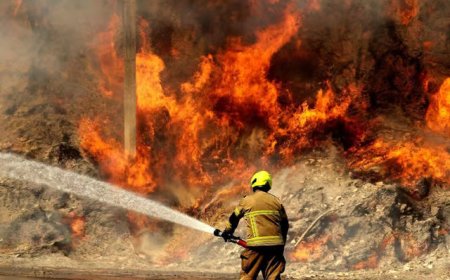
Prime Minister Andy Burnham had urged the public to treat the wildfire warning seriously, as fire crews battled blazes including one in the West Midlands that destroyed homes in Stourbridge. But the scale and suddenness of the alert has prompted broader questions about how such warnings are calibrated and communicated.
Not everyone has agreed the alert was necessary. Julian Jessop, a fellow at the Institute of Economic Affairs, questioned on BBC Radio 4 whether the threshold for an alert of that severity had genuinely been met, suggesting the immediate risk to life may not have been as widespread as the notification implied. Frazer Rhodes, one of the architects of the alert system, acknowledged the decision to send it had divided opinion and said the government should set out clearer public criteria for when future alerts will, and will not, be issued.
Calls for Reform
Campaigners want ministers to consult organisations that support vulnerable people before future emergency alerts are sent, and are pushing for the option of less intrusive, silent notifications in certain circumstances. This is not the first time the issue has surfaced. Domestic abuse charities raised similar concerns ahead of earlier nationwide tests of the alert system, when victims with concealed phones were advised to switch off alerts for the duration of any test, even as the government maintained that alerts should generally remain switched on.
A government spokesperson said officials are working closely with domestic abuse charities to help shape how the system is tested and used in future, though campaigners argue that more concrete commitments, and better advance planning, are needed before the alert system is used again for a similarly widescale warning.
A Wider Debate About Public Safety Tools
The episode highlights a difficult balancing act facing the government: how to warn the public quickly and effectively about genuine emergencies, without inadvertently creating new dangers for people already living with the threat of violence at home. With wildfire risk expected to remain elevated for the rest of the summer, charities say the coming weeks offer a critical window for ministers to build better safeguards into the system before it is used again.
Next Article
What's Your Reaction?
 Like
0
Like
0
 Dislike
0
Dislike
0
 Love
0
Love
0
 Funny
0
Funny
0
 Angry
0
Angry
0
 Sad
0
Sad
0
 Wow
0
Wow
0