

















Burnham Grilled on Tax and Debt in First PMQs Clash
New PM Andy Burnham faced tough questions on borrowing costs and tax rises in his debut Prime Minister's Questions, as Kemi Badenoch cited investor unease.

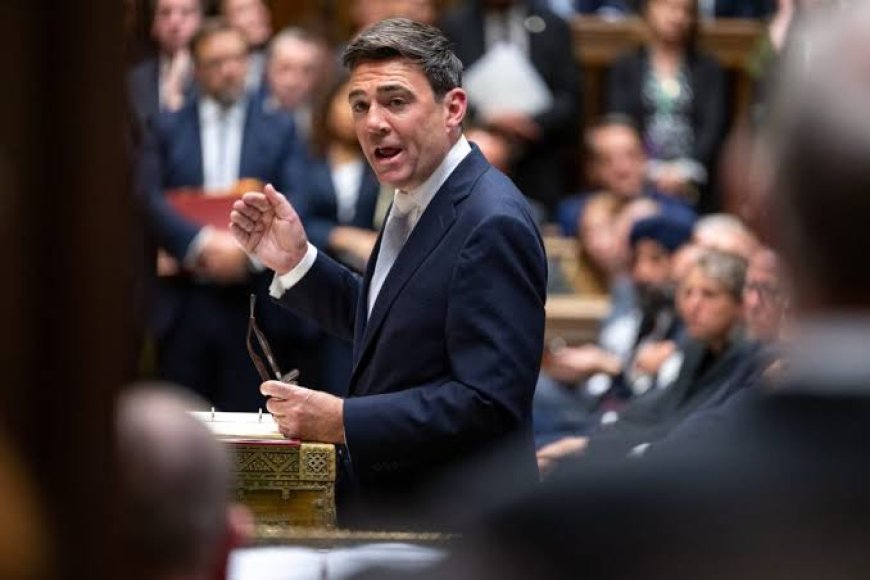
Burnham's Baptism at the Despatch Box
Andy Burnham faced his first real test in the House of Commons hot seat this week, enduring a pointed exchange with Conservative leader Kemi Badenoch during his debut session of Prime Minister's Questions. The confrontation centred on two of the thorniest issues facing any new government: the sustainability of public spending and whether tax rises are on the horizon.
Badenoch opened her questioning by pressing the new Prime Minister on comments he had made a day earlier, when he told the House that the spending commitments made since taking office would be funded through reprioritising existing budgets. She pushed him to specify exactly what had been cut to make room for new pledges.
Burnham's response focused on tax rather than spending cuts, pointing to the removal of VAT from electricity bills as one of his government's early cost-of-living measures, alongside a reduction in business rates for pubs, social clubs and live music venues. He framed these moves as part of a broader strategy to ease pressure on households and support small businesses, while insisting that his government remained committed to sound fiscal management.
Investor Nerves and Borrowing Costs
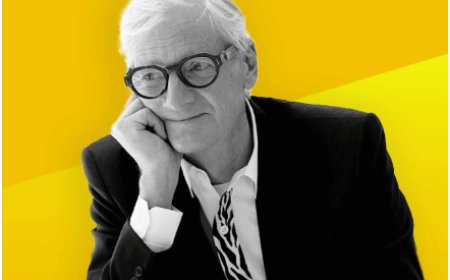
The most pointed moment of the exchange came when Badenoch cited comments from economist Lord Jim O'Neill, who had suggested that Burnham's tone during his first major Commons statement the previous day would have unsettled investors. Badenoch noted that Lord O'Neill, who had previously turned down the offer of a role within Burnham's government, was taken seriously in financial circles and warned that his concerns coincided with government borrowing costs rising to their highest level in nearly two decades.
In response, Burnham sought to draw on his long-standing relationship with the economist, noting that the two had worked together over a number of years. He reiterated that his administration was focused on bringing down debt and stressed that fiscal responsibility would be the foundation of his time in office, seeking to reassure both MPs and markets that his government would not pursue unfunded spending commitments.
A Difficult Inheritance
Burnham took over the premiership only weeks ago following Keir Starmer's resignation, inheriting a government under significant strain. His first major statement to the Commons set out a wide-ranging vision touching on energy costs, water infrastructure, and public services, while also paying tribute to his predecessor's record in office, including the delivery of the long-awaited Hillsborough Law.
However, the substance of that statement appears to have done little to calm nerves in financial markets, with UK borrowing costs continuing to climb in the days since. Some economists have pointed to a combination of factors, including geopolitical instability and rising energy prices, as contributing to the pressure on gilt yields, rather than attributing the rise solely to domestic political developments. Nonetheless, the coincidence of timing has proven useful ammunition for opposition parties eager to paint the change in Labour leadership as adding to economic uncertainty rather than resolving it.
Balancing Promises and Prudence
Burnham built his political reputation over more than a decade as Mayor of Greater Manchester, where he cultivated an image as a champion of working people and public services, often calling for greater investment in areas such as the NHS and social housing. That background has fuelled both enthusiasm among sections of the Labour movement and scepticism among more fiscally cautious commentators, who question whether his instincts for public investment can be reconciled with the tight constraints facing the Treasury.
During the PMQs exchange, Burnham avoided directly ruling out future tax rises, a stance that opposition MPs seized upon as evidence that further increases could be under consideration once the government's forthcoming budget process gets underway. Downing Street has so far declined to be drawn on specifics, insisting that no decisions have been made ahead of the usual fiscal timetable.
What Comes Next
With borrowing costs elevated and inflationary pressures building amid international instability, Burnham's government faces an unenviable balancing act in the months ahead. His allies argue that the early cost-of-living measures announced so far demonstrate a government willing to act quickly on issues that matter to ordinary households, while critics counter that without clearer answers on the public finances, uncertainty is likely to persist.
For a Prime Minister still finding his feet in the top job, the first PMQs session offered an early indication of the scrutiny he can expect to face in the months ahead, particularly as questions around tax, debt and the broader direction of his government continue to dominate the political conversation in Westminster.
What's Your Reaction?
 Like
0
Like
0
 Dislike
0
Dislike
0
 Love
0
Love
0
 Funny
0
Funny
0
 Angry
0
Angry
0
 Sad
0
Sad
0
 Wow
0
Wow
0