




























UK Cost of Living Crisis Returns, Testing PM Burnham
Rising energy bills and inflation fears are reigniting the UK's cost-of-living crisis, piling pressure on PM Andy Burnham ahead of the autumn budget.

A Familiar Squeeze Returns
Just weeks into his premiership, Andy Burnham is facing a renewed cost-of-living challenge that echoes some of the toughest economic pressures of recent years. Household energy bills have climbed again after Ofgem lifted its price cap in the summer, and economists are warning that inflation could tick higher in the months ahead, driven largely by volatile global energy markets.
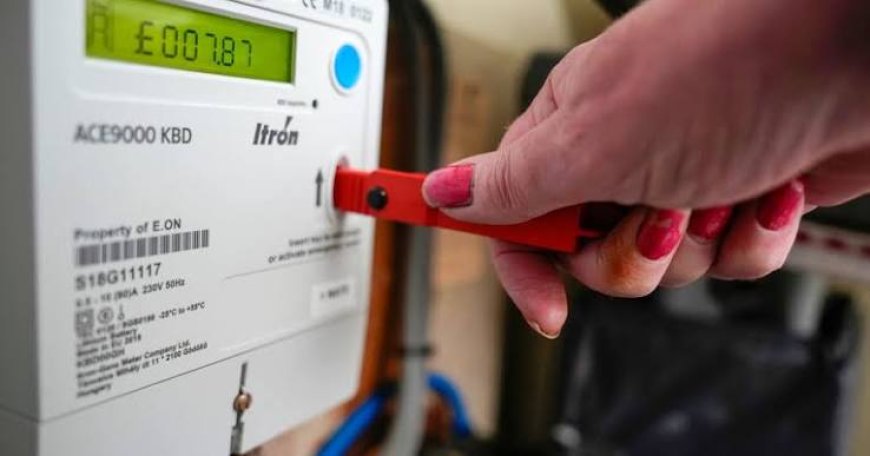
The pressure comes at a delicate moment for the new Prime Minister, who took over from Keir Starmer this summer amid widespread dissatisfaction with the pace of economic progress under the previous leadership. Burnham used his first days in Downing Street to unveil a package of relief measures aimed at easing the burden on households, including a reduction to consumer electricity bills through a cut to VAT, expected to save the average household around £45 a year from October.
What's Driving the Renewed Pressure
At the heart of the squeeze is the continued volatility in global energy markets, much of it linked to the ongoing conflict in the Middle East, which has disrupted oil and gas supply chains and kept wholesale prices elevated. Ofgem's decision to raise its price cap by around 13% earlier in the year has already fed through into higher bills for millions of households, with a further, smaller increase expected this autumn.
Inflation, as measured by the Consumer Prices Index, stood at 2.6% in June — a marked improvement on the double-digit peaks seen in recent years, but still expected to climb further as higher energy costs work their way through the wider economy. The Bank of England's own projections suggest inflation could peak at above 3% later in the year, though policymakers have stressed that any response through interest rates must be weighed carefully against a labour market that continues to show signs of loosening.
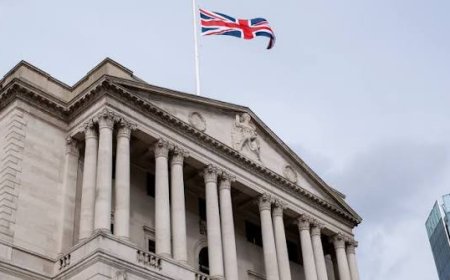
The Bank's Monetary Policy Committee held its benchmark interest rate at 3.75% at its last meeting, in a decision that was widely expected, though a growing minority of committee members voted for an increase, reflecting concern that persistently high energy costs could feed through into broader price pressures across the economy. The Committee's next interest rate decision is due later this month, and will be closely watched as a signal of how policymakers intend to balance inflation risks against the fragility of the wider economy.
Early Test for the New Government
For Burnham, the return of cost-of-living pressures represents an early and significant test of his government's economic credibility. Having taken office partly on the back of public frustration with the state of the economy under his predecessor, expectations are high that his government can demonstrate a tangible difference for households struggling with everyday costs.
Officials have pointed to Britain's underlying economic resilience as a source of cautious optimism, noting that the economy grew at the fastest pace among G7 nations during the first half of the year. However, analysts caution that headline growth figures offer little immediate comfort to households facing higher bills now, and that the real test for the government will come with the autumn budget, when ministers are expected to set out further measures to support living standards.
What Happens Next
Much will depend on how the situation in the Middle East develops in the coming months, given its direct bearing on global energy prices and, by extension, UK inflation. A further escalation could deepen the squeeze on household budgets and complicate the Bank of England's task of balancing inflation control with economic growth. A de-escalation, by contrast, could ease some of the pressure heading into winter.
In the meantime, consumer groups are urging households to review their energy tariffs and support options ahead of the colder months, while businesses — particularly those in energy-intensive sectors — are being encouraged to plan for continued volatility in their operating costs.
With the autumn budget looming as the next major moment of reckoning, all eyes will be on whether Burnham's government can translate its early relief measures into a broader strategy capable of steadying household finances through what could prove to be another difficult winter for the UK economy.
What's Your Reaction?
 Like
0
Like
0
 Dislike
0
Dislike
0
 Love
0
Love
0
 Funny
0
Funny
0
 Angry
0
Angry
0
 Sad
0
Sad
0
 Wow
0
Wow
0