






























FTSE 100 Today: Markets Rebound Ahead of Fed Speech
London's FTSE 100 edged higher on Friday after its steepest one-day fall in weeks, as investors await comments from the US Federal Reserve chair.

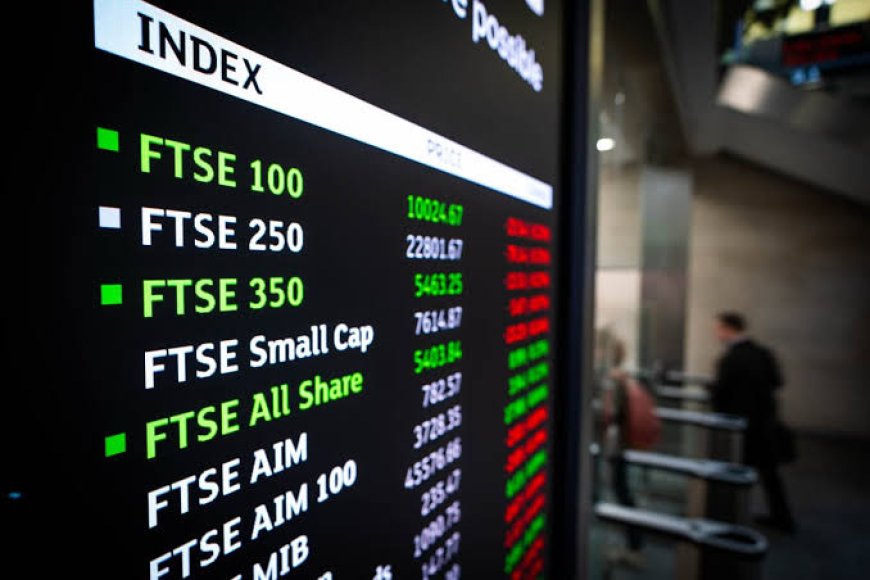
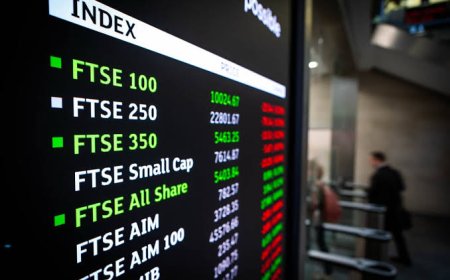
London's FTSE 100 index was clawing back some of its recent losses on Friday, trading modestly higher after a bruising session the day before that saw it post its steepest one-day decline in roughly six weeks. The blue-chip index had fallen 0.79% to close at 10,792.54 points on Thursday, with banking, mining and energy shares among the heaviest fallers.
By Friday lunchtime, sentiment had improved slightly, with the index trading up around 0.27% at roughly 10,822 points, clawing back ground following the previous day's drop, helped by a global rally in technology stocks and improving domestic business confidence. Even so, analysts described the recovery as tentative, cautioning that broader market direction remained hostage to global events well beyond London's control.
Nvidia's shadow over London
Much of the recent volatility traces back to events on Wall Street rather than in the UK itself. Nvidia's stronger-than-expected quarterly results and upbeat guidance on AI demand sent a wave of optimism through global technology stocks. However, the FTSE 100 has relatively limited exposure to the technology sector, meaning it lagged behind European and US indices despite the broader positive mood.
Instead, London's index found itself weighed down by more traditional sectors. Shell and BP both fell as oil prices dropped for a fourth consecutive session, while investors assessed reports of a potential agreement between Iran and Oman over establishing a temporary route through the Strait of Hormuz — a development that, if confirmed, could ease some of the supply pressures that have driven energy costs higher this year.
Defence stocks under pressure
Adding to the mixed picture, London-listed equities on Friday were also grappling with pressure linked to uncertainty over the UK government's defence spending plans — the same budgetary strain currently testing Prime Minister Andy Burnham's administration. With the Ministry of Defence facing questions over whether its procurement ambitions can be funded within existing budgets, some investors in defence-linked and industrial stocks have adopted a more cautious stance pending greater clarity from the Treasury.
All eyes on Jackson Hole
Beyond domestic concerns, much of Friday's trading activity was shaped by anticipation of a high-profile international event: a speech by the new US Federal Reserve chair at the annual Jackson Hole Economic Symposium. Markets were watching the address closely for signals about the future path of US interest rates, with London traders keen to gauge how any shift in the Fed's tone might ripple through to UK borrowing costs and sterling.
That global backdrop matters enormously for UK households and businesses, given how closely intertwined British and American monetary policy expectations have become. Any signal of a more hawkish or dovish Federal Reserve stance tends to move currency and bond markets almost immediately, with knock-on effects for UK mortgage rates and corporate borrowing costs.
The domestic backdrop
At home, the Bank of England's own Monetary Policy Committee has taken an increasingly cautious approach in recent months. At its most recent meeting on 30 July, the MPC voted to leave interest rates unchanged at 3.75%, with six members backing no change and three voting for a rate rise — a sign of growing disagreement within the committee over the inflation outlook. Inflation had already climbed to 3.2% in July, and the Bank's own projections point to a further rise, with CPI expected to peak at around 3.2% in the final quarter of the year.
That inflationary pressure has been driven in large part by external shocks. Conflict in the Middle East has disrupted the transportation and supply of oil and gas, pushing up energy prices in a way that monetary policy alone cannot control, according to the Bank's own explanation of the current environment.
What it means for households
For everyday savers and borrowers, the immediate takeaway is one of continued uncertainty. Mortgage rates have been edging upward in recent months rather than falling, a reversal of the trend many households had expected after the Bank's earlier run of rate cuts between 2024 and 2025. With the Bank's next rate decision not due until mid-September, markets — and mortgage holders — face several more weeks of watching global events, from Middle East diplomacy to Federal Reserve signalling, before the next major domestic policy signal arrives.
What's Your Reaction?
 Like
0
Like
0
 Dislike
0
Dislike
0
 Love
0
Love
0
 Funny
0
Funny
0
 Angry
0
Angry
0
 Sad
0
Sad
0
 Wow
0
Wow
0