
























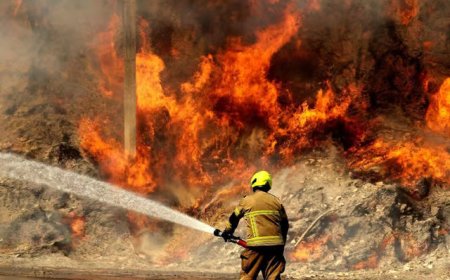




Burnham Pledges Public Control Over UK Water Firms
PM Andy Burnham has criticised water companies over reservoir shortages and sewage spills, promising stronger public control as part of a forthcoming 10-year plan.

A Reckoning for Britain's Water Industry
Prime Minister Andy Burnham has placed the water industry firmly in his sights, telling MPs that this summer's disruptions to supply and repeated sewage discharges show that private water companies are failing to keep pace with the demands of a changing climate. In his first major Commons statement since taking office, Burnham said the experience of recent months made clear that stronger public oversight of the sector is now unavoidable.
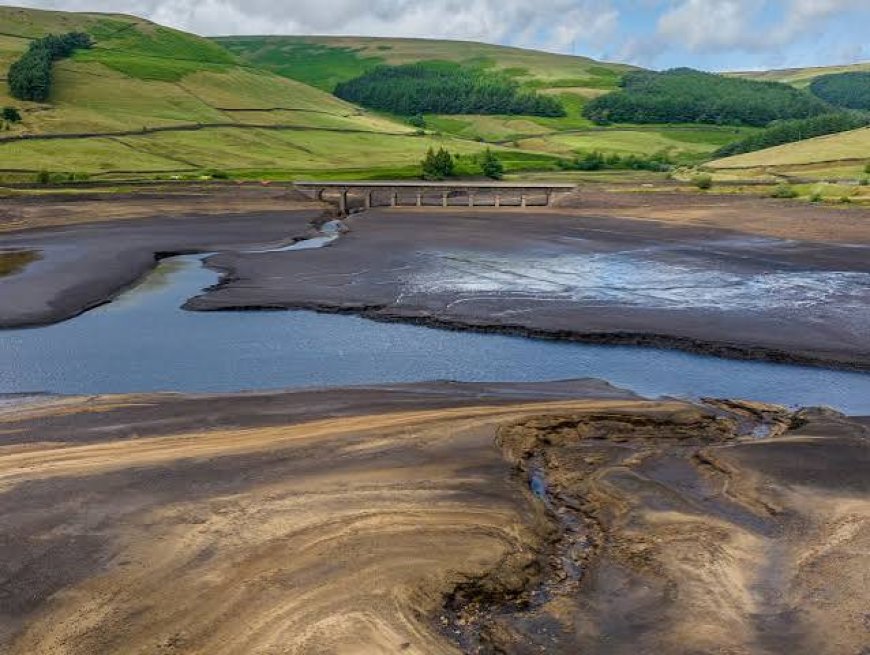
Speaking after visits to communities across the UK, including a farm near Truro where he heard directly from residents about spiralling energy costs and water disruption, Burnham described a picture of an industry struggling to cope. He pointed to areas that saw water supplies interrupted this summer due to insufficient reservoir capacity, alongside a tourism sector he said had been damaged by the frequency of sewage spills along Britain's coastline and waterways.
A Summer of Strain
The pressures Burnham referenced did not emerge overnight. Large parts of the country experienced below-average rainfall in the spring, with some regions, including parts of eastern England, receiving less than half of their usual seasonal totals. Combined with record spring temperatures, this left reservoirs and groundwater levels significantly depleted heading into the summer months, at precisely the moment when demand for water typically peaks.
The Met Office had already flagged an elevated likelihood of a hotter-than-average summer for the period, warning that higher temperatures would place additional strain on ageing infrastructure. That forecast proved accurate, and water companies were left managing a combination of surging demand and constrained supply, a situation compounded in several regions by ongoing concerns over leakage from ageing pipe networks.
The Sewage Question
Alongside supply shortages, sewage discharges have remained a persistent source of public anger. Campaigners and opposition politicians alike have long argued that water companies have underinvested in infrastructure while prioritising returns to shareholders, a criticism that has only intensified following years of high-profile spill data showing millions of hours of discharges into rivers and coastal waters. Burnham's comments this week suggest his government intends to make this a central plank of its domestic agenda, tying environmental performance directly to the broader question of who ultimately controls essential services.
What Stronger Public Control Might Look Like
Details of exactly how the government intends to strengthen public control over the sector remain limited for now, with Burnham indicating that a fuller ten-year plan for Britain, due later in the year, will set out the specifics. However, his language marks a notable shift in tone from previous government messaging, which had largely focused on encouraging private investment and tightening regulatory standards through bodies such as Ofwat, rather than more fundamental changes to ownership or control structures.
The water industry itself points to a large existing investment programme, with companies collectively committing over one hundred billion pounds toward improving infrastructure, including a series of new reservoirs. The first of these, at Havant Thicket in Hampshire, is already under construction and will be the first new reservoir built in England since 1991. Industry figures argue this investment demonstrates a genuine commitment to resilience, even as critics counter that decades of underinvestment cannot be reversed quickly enough to prevent further disruption in the near term.
The Climate Dimension
Central to Burnham's argument is the idea that water companies have not adequately planned for a climate that is delivering more extreme and unpredictable weather patterns, from intense heatwaves and drought to sudden heavy rainfall that overwhelms sewage systems designed for a different era. The Environment Agency has previously projected a substantial daily shortfall in freshwater supply by the middle of the century if current trends continue, a warning that has helped build political consensus around the need for new infrastructure, even as disagreement persists over who should own and finance it.
Government plans already in train include new statutory resilience standards for water companies, improved mapping of critical infrastructure assets, and greater regulatory oversight designed to ensure firms are better prepared for extreme heat and prolonged dry periods. Burnham's statement suggests these measures, while welcome, are not sufficient in his view, and that the sector requires a more fundamental rebalancing of control back toward the public interest.
Reaction and Next Steps
Environmental campaigners have broadly welcomed the tougher rhetoric, though many say they will reserve judgment until concrete policy detail emerges. Industry representatives have urged the government to avoid destabilising a sector already engaged in a major investment programme, warning that uncertainty over ownership models could complicate financing for planned infrastructure projects.
With the ten-year plan for Britain still to be published, the coming months will determine whether Burnham's tougher tone translates into substantive reform, or whether water companies retain their current structure while facing incrementally tighter regulation. For households who endured hosepipe bans and water disruption this summer, the promise of change will offer some reassurance, even as the practical details remain a matter for future negotiation.
What's Your Reaction?
 Like
0
Like
0
 Dislike
0
Dislike
0
 Love
0
Love
0
 Funny
0
Funny
0
 Angry
0
Angry
0
 Sad
0
Sad
0
 Wow
0
Wow
0