































Colman's Mustard Up for Sale in Unilever Deal
Historic British brand Colman's is being put up for sale as Unilever and McCormick move to address competition concerns in their landmark foods merger.

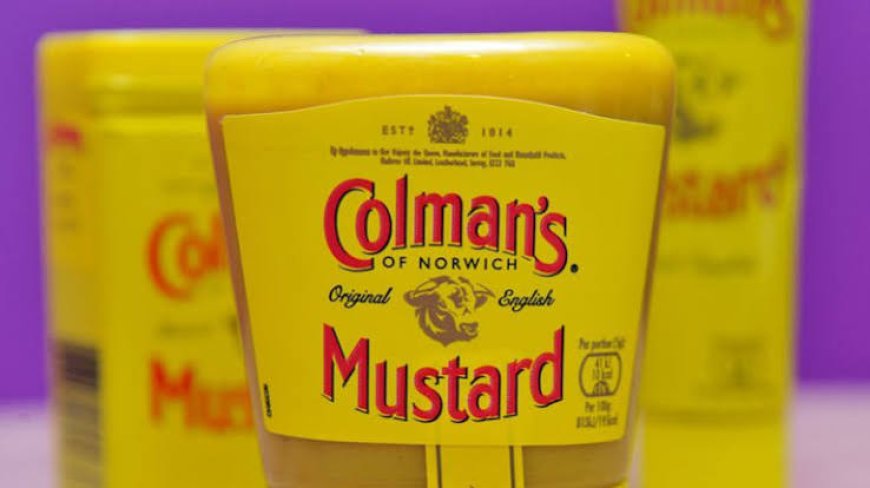
A 200-Year-Old British Brand Goes on the Block
One of Britain's most recognisable food brands is being prepared for sale. Unilever has confirmed it is seeking a buyer for Colman's, its historic mustard business, as part of the fallout from a huge planned merger between its foods division and American spice giant McCormick.
The move comes as McCormick prepares to acquire Unilever's food operations in a deal worth roughly $15.7 billion, bringing together a portfolio that includes Hellmann's, Knorr, Marmite and Pot Noodle. Because McCormick already owns French's, one of the world's best-known mustard brands, regulators have raised concerns that the combined business would dominate the mustard category too heavily — prompting the decision to carve Colman's out and find it a new home. FoodBev Media
Why the Sale Is Happening Now
A Unilever spokesperson confirmed that a decision had been taken to market the Colman's brand and its associated assets to potential buyers, in order to proactively address possible competition concerns arising from the planned combination of Unilever Foods and McCormick. The wider transaction, first announced in the spring, values Unilever's food assets at close to $45 billion, with the enlarged group set to become one of the biggest players in global condiments and seasoning.
Reports indicate that investment bank Rothschild has already begun approaching prospective buyers, with the broader deal — creating a combined foods business worth in the region of $66 billion — still under scrutiny from competition regulators. One source close to the process described the current valuation of Colman's itself as relatively modest in the context of the overall transaction, though no final figure has been disclosed.
A Brand With Deep Roots in Norfolk
Colman's history stretches back more than two centuries. The company was founded in 1814 by Jeremiah Colman, who began milling flour and crushing mustard seeds in Stoke Holy Cross near Norwich, later forming a partnership with his nephew James in 1823 to create the brand's first mustard powder, with its familiar bull's head logo introduced in 1855.
The brand received a royal warrant from Queen Victoria in 1866, and in 1938 became part of the merged company Reckitt & Colman before Unilever acquired it in 1995. Its ties to Norwich run deeper than commerce alone — the company sponsored the city's football club in the late 1990s and revived that partnership on a temporary basis in 2023, underlining just how embedded the brand remains in local identity.
Notably, this is not the first time Colman's future has been in question. Unilever had previously explored selling several of its heritage British names, including Colman's and Marmite, but ultimately chose not to proceed — making today's confirmed sale process a more decisive break from the past.
What Happens Next for Shoppers and Staff
For now, Unilever has stressed that operations will continue as normal while discussions with prospective buyers progress, meaning production and supply of Colman's products should be unaffected in the short term. However, uncertainty will inevitably surround staff and suppliers connected to the brand until a buyer is confirmed and the wider merger receives full regulatory clearance, which is expected to complete next year.
Industry watchers suggest a buyer with an existing presence in British food and drink, or a private equity firm specialising in heritage consumer brands, could be well placed to take on Colman's, given its strong household recognition despite representing a small slice of Unilever's overall food business.
The Bigger Picture for UK Food Manufacturing
The Colman's sale is a reminder of how consolidation in the global food industry continues to reshape which companies control Britain's best-loved brands. As McCormick pushes to build a broader seasoning and condiments empire, and Unilever refocuses its energy on beauty and personal care lines such as Dove and Vaseline, smaller but culturally significant brands like Colman's are increasingly being treated as assets to be traded rather than permanent fixtures of a larger portfolio.
For consumers, the immediate impact is likely to be minimal — mustard will still appear on supermarket shelves under the same familiar label. But for a brand so closely tied to British culinary tradition, the identity of its next owner will be closely watched in the months ahead.
Next Article
What's Your Reaction?
 Like
0
Like
0
 Dislike
0
Dislike
0
 Love
0
Love
0
 Funny
0
Funny
0
 Angry
0
Angry
0
 Sad
0
Sad
0
 Wow
0
Wow
0