





























FTSE 100 Falls as UK Gilt Yields Hit 27-Year High
London's FTSE 100 dropped further today as renewed Middle East tensions push oil prices higher and UK borrowing costs surge to their highest since 1998.


Markets Rattled as Borrowing Costs Reach Multi-Decade Highs
London's benchmark stock index extended its losing streak on Wednesday, with the FTSE 100 slipping around 0.3 per cent to trade near 10,760 points, having closed the previous session down almost 35 points at 10,789.28. The retreat came as investors digested a fresh escalation in Middle East hostilities, a widening global bond sell-off, and mounting concern over the state of Britain's public finances.
At the centre of the turbulence is a renewed flare-up in tensions between the United States and Iran, which has sent Brent crude surging past $95 a barrel. The jump in energy prices has reignited fears that inflation, which had shown signs of easing earlier in the year, could prove more persistent than policymakers had hoped. Higher fuel and energy costs tend to feed through quickly into household bills and business overheads, complicating the picture for the Bank of England ahead of its next rate decision later this month.
Bond Markets Under Pressure
Perhaps more significant than the modest dip in equities has been the sharp move in the government bond market. Yields on 30-year UK gilts climbed to their highest level since 1998, while 10-year yields reached levels not seen since 2007. Because bond yields move inversely to prices, this signals that investors are demanding a greater return to hold UK government debt, effectively raising the cost of government borrowing.
This matters well beyond the trading floors of the City. Higher gilt yields translate directly into higher costs for the Treasury when it issues new debt, squeezing the fiscal headroom available to the Chancellor at a time when spending pressures are already intense. Economists have warned that sustained increases in borrowing costs could force difficult choices around tax and spending in the months ahead, particularly with a new Prime Minister still finding his footing.
Winners and Losers on the Index
Trading on the FTSE 100 painted a mixed picture beneath the headline decline. Mining stocks were among the weakest performers, dragged down by concerns over global demand, while shares in some consumer-facing companies also slipped. By contrast, oil majors Shell and BP provided a partial offset, both companies benefiting from the jump in crude prices. BP shares drew additional attention following the appointment of Ian Tyler as the company's new chair, filling the vacancy left by Albert Manifold's surprise departure earlier this year.
Elsewhere on the index, insurers Admiral and Aviva posted gains, alongside telecoms group BT, as investors rotated away from more cyclical, growth-sensitive sectors. Budget airline Ryanair became one of the more notable casualties of the broader energy story, trimming its full-year traffic outlook and cautioning that European short-haul airfares could rise materially if elevated oil prices persist through the winter season.
A Wider Global Picture
The pressure on UK markets mirrors a broader pattern playing out across international exchanges. Asian equities fell sharply overnight following fresh military action involving US and Iranian forces, setting a downbeat tone for European trading. Analysts note that markets are particularly sensitive at present to developments around the Strait of Hormuz, a vital corridor for global oil shipments, given the potential for further disruption to supply.
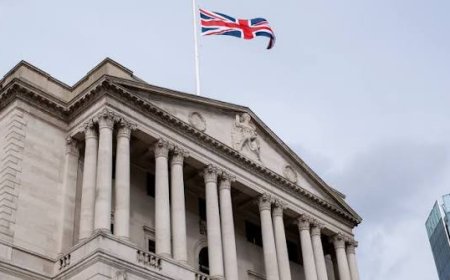
Currency and bond traders are also weighing the implications for central bank policy. With inflation risks tilted to the upside and energy costs climbing, some economists believe the case for the Bank of England to hold interest rates steady, rather than cut them, has strengthened. The Bank's Monetary Policy Committee is next due to announce its decision in the middle of this month, and investors will be parsing any commentary for clues about how policymakers are weighing the competing pressures of slowing growth against renewed inflationary risk.
What It Means for Households and Businesses
For ordinary households, the immediate concern is the potential knock-on effect on mortgage rates and the cost of living. Lenders often adjust fixed-rate mortgage pricing in response to movements in gilt yields, meaning that a sustained rise in government borrowing costs could filter through to higher monthly repayments for those remortgaging in the coming months.
Businesses, meanwhile, are contending with the dual pressure of higher energy costs and a less certain interest rate outlook, both of which complicate investment planning. Analysts caution that while a single day's market movement should not be over-interpreted, the combination of geopolitical uncertainty, rising energy prices and elevated borrowing costs represents a challenging backdrop for the UK economy heading into the autumn.
With the situation in the Middle East still unfolding and the Bank of England's next decision looming, market watchers expect volatility to remain a feature of trading in the weeks ahead, with investors keeping a close eye on both oil prices and any fresh statements from the Treasury on how it intends to manage the country's finances.
What's Your Reaction?
 Like
0
Like
0
 Dislike
0
Dislike
0
 Love
0
Love
0
 Funny
0
Funny
0
 Angry
0
Angry
0
 Sad
0
Sad
0
 Wow
0
Wow
0