





























40,000+ Heat Deaths in England & Wales Since 1988
New ONS figures show more than 40,000 people have died from extreme heat in England and Wales since 1988, with the elderly most at risk as climate change drives more frequent heatwaves.


Four decades of data reveal a growing threat
More than 40,000 people in England and Wales have died as a direct result of extreme heat over the past 40 years, according to new figures released by the Office for National Statistics, in a report that offers one of the clearest illustrations yet of how climate change is already reshaping public health risks in Britain.
The data, covering the period from 1988 to 2025, shows that 40,000 of those deaths occurred in England, with a further 2,070 recorded in Wales, all linked to the hottest days across the four-decade period. The findings sit alongside a parallel and striking pattern: while heat-related deaths have been climbing, the long-standing gap between the number of people who die each year from cold weather compared with hot weather is steadily narrowing, driven by a marked recent uptick in heat-related mortality.
Who is most at risk
According to the ONS analysis, people aged 65 and over face the greatest risk from both extreme heat and extreme cold, underlining the particular vulnerability of older populations to weather extremes at either end of the temperature scale. London and southern England were identified as facing the highest mortality risk during periods of extreme heat, which the study classifies as temperatures exceeding 29C.
The health consequences of extreme heat extend well beyond the immediately obvious risks of heatstroke and dehydration. The report links extreme hot weather to a range of serious conditions, including circulatory diseases, respiratory illness and dementia, alongside a heightened toll among residents of care homes, nursing homes and other forms of assisted accommodation, where vulnerable individuals are often less able to regulate their body temperature or seek relief independently.
Cold weather still claims more lives — for now
Despite the sobering heat figures, the data makes clear that cold weather remains the bigger overall killer across the same 40-year period. An estimated 138,944 deaths in England and 10,098 in Wales were linked to the coldest days recorded between 1988 and 2025 — figures that dwarf the heat-related toll several times over.
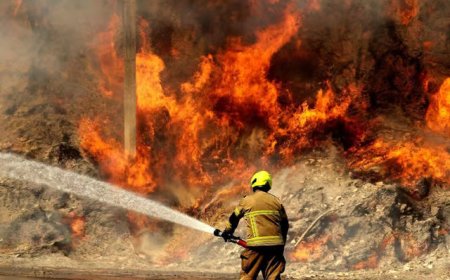
However, scientists involved in the research caution against reading this as reassurance. As the report notes, heatwaves are becoming measurably more intense, more frequent and longer-lasting as a direct consequence of climate change driven by the continued burning of fossil fuels, meaning the current gap between cold and heat mortality is expected to keep narrowing in the years ahead rather than remaining static.
2026 already on course to be the deadliest year on record
The timing of the ONS release is particularly striking given events over the course of this year. According to estimates published last month by the UK Health Security Agency, England is currently on track to record its highest number of heat-related deaths since records began, with more than 2,700 people believed to have died from heat-related causes during the record-breaking spells experienced in May and June alone.
Separate research conducted by scientists from Imperial College London, the Met Office and the London School of Hygiene and Tropical Medicine examined the first two major heatwaves of 2026 in detail, estimating around 2,700 excess deaths across England and Wales during those episodes. Perhaps most strikingly, the researchers concluded that more than two-fifths — 42 per cent — of those fatalities were directly attributable to the additional heat generated specifically by human-caused climate change, rather than what might be considered "natural" summer temperature variation.
The study in question examined the periods surrounding May's heatwave, when temperatures peaked at 35.1C, and June's spell, which pushed past 37C and was compounded by unusually high humidity — conditions that significantly increase the physiological strain placed on the human body, particularly among older or medically vulnerable people.
More heatwaves, more data still to come
With five separate heatwaves recorded across the UK so far this summer, researchers say updated mortality figures incorporating the full scope of 2026's extreme weather are expected to be published later in the year, and are widely anticipated to confirm that this year will indeed set a new record for heat-related deaths in England.
Public health officials have repeatedly urged people, particularly those over 65 or with existing health conditions, to take precautions during periods of extreme heat, including staying hydrated, avoiding strenuous activity during the hottest parts of the day and checking in on vulnerable relatives or neighbours. As the ONS figures make clear, however, the scale of the challenge extends well beyond individual behaviour, pointing towards a broader public health and climate adaptation challenge that officials say will only intensify as global temperatures continue to rise.
What's Your Reaction?
 Like
0
Like
0
 Dislike
0
Dislike
0
 Love
0
Love
0
 Funny
0
Funny
0
 Angry
0
Angry
0
 Sad
0
Sad
0
 Wow
0
Wow
0