




















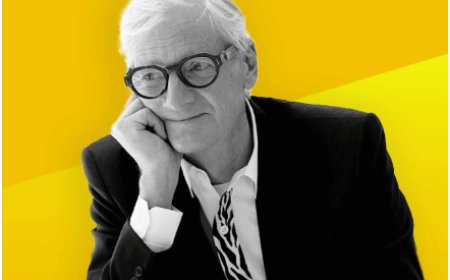








Burnham's Whitehall Shake-Up Empowers UK Mayors
PM Andy Burnham announces a sweeping devolution plan, moving civil servants from Whitehall into mayoral offices across England in a bid to boost local growth.

A New Chapter for English Devolution
One month after opening his northern seat of government, Prime Minister Andy Burnham has announced what Downing Street is calling the most significant transfer of civil service capacity out of Whitehall in modern political history. Under the plan, high-performing officials from central government departments will be seconded directly into the offices of regional mayors across England, working side by side with local leaders on the ground rather than issuing instructions from London.
Around 90 civil servants are expected to take up posts in the regions under the new secondment scheme, with postings lasting between six and nine months. The move is being framed by the government as the opening step in a much larger restructuring of how power flows between Westminster and England's towns and cities.
No10 North and the "Devolution Revolution"
The announcement was made to mark one month since the launch of No10 North, the prime minister's northern operations base, which opened during his first week in office and is co-located with the north-west outpost of the intelligence agency GCHQ. The hub has been positioned by the government as a working symbol of its intent to shift decision-making away from the capital.
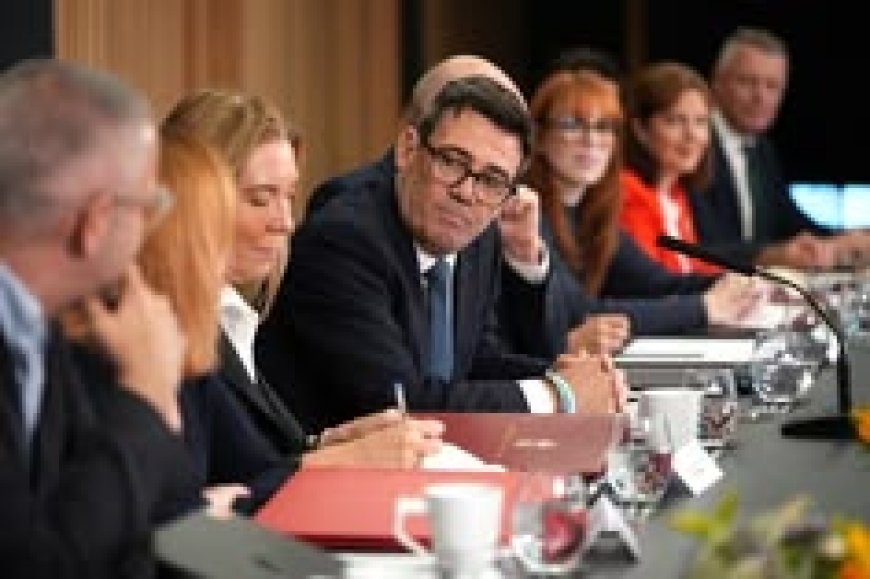
Speaking after convening mayors from across the political spectrum in a virtual session hosted through the new base, the prime minister said the initiative was designed to put decision-making power "into every postcode across the country," allowing local communities to unlock their own potential rather than waiting for direction from central government. He added that bringing together mayors from different parties reflected a shift towards practical problem-solving rather than party point-scoring.
First Secretary of State Louise Haigh, who has taken on a leading role within No10 North alongside Housing Secretary Angela Rayner, argued that the era of Westminster holding onto power was over, describing the plan as the start of the biggest shift of resources and authority from central to local government in a generation.
What the Plan Actually Involves
According to details released by government sources, an initial pilot beginning this autumn will see every mayoral authority receive between five and ten civil servants on secondment, with local leaders able to request the specific skills and expertise their region needs most. A parallel "future leaders" scheme is also being broadened to identify and train high-potential officials for mayoral and council roles, rather than funnelling talent solely into departments in London.
The reforms build on earlier commitments from the prime minister. Last month Burnham also set out proposals to allow local leaders to retain a portion of income tax receipts generated in their areas, spending it on regional projects, with further details expected at October's Budget. Taken together, ministers argue these measures represent a coherent attempt to rebalance a system widely regarded as one of the most centralised in the developed world.
Why It Matters
Supporters of the plan argue that England's mayors — who now oversee transport, housing, skills and economic strategy across large swathes of the country — have long lacked the administrative firepower available to central government departments, forcing them to negotiate for resources rather than deploy them directly. By embedding Whitehall expertise inside regional offices, ministers hope decisions on transport upgrades, housing delivery and local investment can move faster and reflect the priorities of the communities affected.
Critics, however, have questioned whether the initiative amounts to more than symbolic gesture politics, with some branding No10 North a "gimmick" designed to generate headlines rather than deliver structural change. Downing Street has pushed back firmly on this characterisation, insisting the hub has already created a direct channel for local leaders to raise concerns with the centre of government — something that was previously far harder to achieve.
There are also practical questions still to be resolved, including how secondment arrangements will interact with existing civil service pay structures, how success will be measured, and whether ambitious plans to reassign the Treasury's economic growth functions to No10 North can be delivered without disruption to existing government business.
The Road Ahead
For a prime minister who came to office promising to end years of political instability, the devolution drive represents an attempt to define his premiership around a tangible, structural reform rather than short-term crisis management. With eighteen mayoral strategic authorities across England now directly engaged in the process, the coming months — particularly the autumn Budget — will be the first real test of whether this ambitious rebalancing of power can move beyond announcement and into delivery.
What's Your Reaction?
 Like
0
Like
0
 Dislike
0
Dislike
0
 Love
0
Love
0
 Funny
0
Funny
0
 Angry
0
Angry
0
 Sad
0
Sad
0
 Wow
0
Wow
0