

























UK Energy Prices at Risk Amid Hormuz Tensions
Ongoing disruption around the Strait of Hormuz is keeping global oil and gas prices elevated, with UK households and businesses facing the knock-on cost.

A Distant Conflict, a Very Domestic Problem
A conflict thousands of miles from Britain's shores is once again shaping what households pay to heat their homes and fill their cars, as continued disruption around the Strait of Hormuz keeps global energy markets on edge and adds fresh uncertainty to the UK's economic outlook.
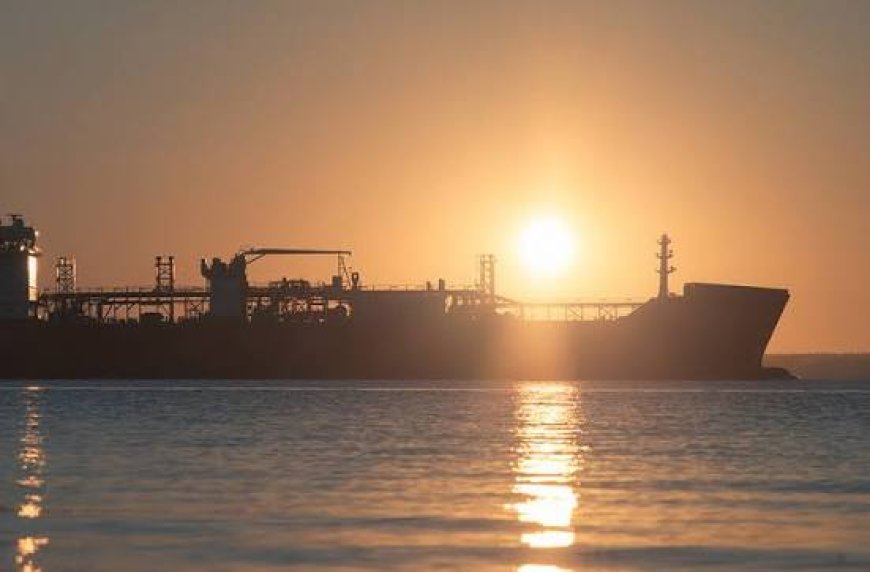
The Strait, a narrow but critical shipping corridor through which a significant share of the world's seaborne oil and gas passes, has faced repeated disruption since fighting between the US and Israel and Iran escalated earlier this year. Iranian officials have linked any full reopening of the route to a broader set of demands, including an end to what they describe as a continuing naval blockade of their ports — conditions that Western governments have so far declined to meet in full.
The UK's Diplomatic Push
Britain has taken a leading diplomatic role in trying to resolve the standoff. Foreign Secretary Yvette Cooper has convened international talks bringing together foreign ministers from around 40 countries, alongside bodies including the International Maritime Organisation and the European Union, to coordinate pressure for the strait's reopening and to discuss options for protecting shipping through the corridor.
Cooper has been blunt about the stakes, describing Iran's actions around the waterway as a direct threat to global economic security and accusing Tehran of using the blockade to exert leverage well beyond the immediate conflict. The strait is not simply a route for crude oil; it also carries essential goods such as fertiliser destined for farming communities in Africa, meaning the disruption has knock-on effects for food security far beyond the immediate region.
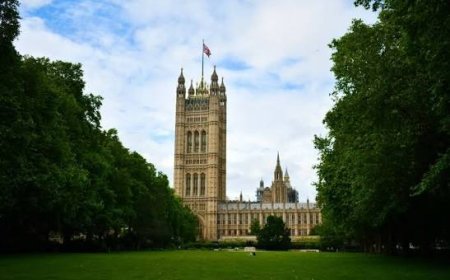
Downing Street has separately convened senior officials alongside leaders from the energy, shipping, finance and insurance sectors — including major names such as Shell, BP, HSBC and Lloyd's of London — to assess the practical impact on British businesses and to prepare contingency plans should disruption persist or worsen.
Why It Matters for Household Bills
For ordinary consumers, the diplomatic complexity translates into a simpler, more painful reality: higher energy costs. Wholesale gas prices are a key driver of UK household bills, and a sustained spike in global energy costs linked to the conflict threatens to push those bills higher in the months ahead, even as other measures of inflation ease.
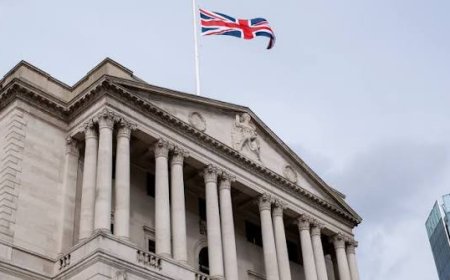
The Bank of England has already flagged the risk. At its most recent policy meeting, the Monetary Policy Committee voted to hold interest rates at 3.75%, but policymakers explicitly warned that risks to the inflation outlook remain tilted upward because of the situation in the Middle East. Inflation stood at 2.6% in June a 15-month low but the Bank's own projections show it could climb toward the 3% to 3.5% range later this year if energy costs remain elevated.
Mortgage brokers have also pointed to the conflict as a factor behind recent upward pressure on fixed mortgage rates, complicating what had been a gradually improving picture for borrowers following a run of earlier rate cuts.
Businesses Bracing for Disruption
It is not just households feeling the strain. Shipping and logistics firms have had to reroute vessels or absorb higher insurance premiums to account for the elevated risk around the strait, while energy-intensive industries face the prospect of higher input costs squeezing already tight margins. Financial markets have shown their sensitivity to the story too, with UK oil majors' share prices moving in step with each fresh twist in the crisis.
Analysts caution that the situation remains genuinely fluid. Iranian officials have at times suggested a deal on navigation and transit routes may be close, only for fresh conditions or setbacks to emerge days later, leaving markets to price in a wide range of possible outcomes rather than a single, predictable trajectory.
The Road Ahead
British officials say they remain committed to a diplomatic resolution alongside international partners, while acknowledging that a lasting fix ultimately depends on developments in a conflict largely outside the UK's direct control. In the meantime, the government faces the delicate task of shielding households and businesses from the worst of the fallout, without the traditional policy tools to address a problem whose roots lie firmly overseas.
For now, the message from Whitehall is one of vigilance rather than reassurance: officials are monitoring the situation closely, but few are willing to predict when — or whether — the pressure on UK energy bills linked to the Strait of Hormuz will meaningfully ease.
What's Your Reaction?
 Like
0
Like
0
 Dislike
0
Dislike
0
 Love
0
Love
0
 Funny
0
Funny
0
 Angry
0
Angry
0
 Sad
0
Sad
0
 Wow
0
Wow
0