






























Bank of England Faces Pivotal Rate Decision as Middle East Conflict Fuels Inflation Fears
The Bank of England's next rate call lands this Thursday as Middle East tensions push inflation higher. Here's what it means for mortgages and bills.

A Decision Overshadowed by Global Turmoil
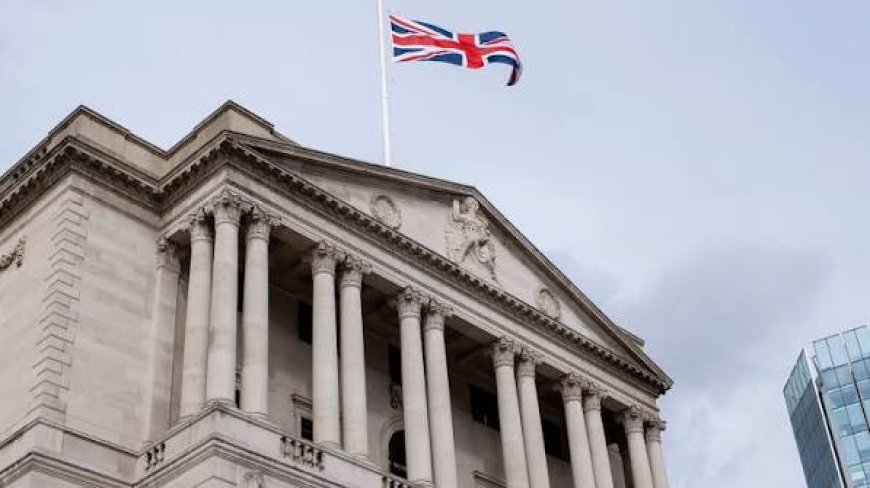
Households across Britain are bracing for one of the most closely watched Bank of England announcements in months, with the Monetary Policy Committee due to reveal its latest interest rate decision this Thursday. Bank Rate has sat at 3.75% since the summer, but the backdrop to this meeting is anything but routine. Escalating tensions in the Middle East have pushed global energy prices sharply higher in recent months, complicating what had, until recently, looked like a steady path back towards the Bank's 2% inflation target.
Consumer price inflation stood at 2.6% in the most recent official reading, a figure that would ordinarily give policymakers room to consider further support for growth. But the Bank's own projections show inflation climbing toward 3.2% by the final quarter of the year, driven almost entirely by the knock-on effects of the conflict on oil, gas and shipping costs. That shift has transformed what many expected to be a quiet, technical meeting into a genuine fork in the road for UK monetary policy.
Why the Committee Is Split
Financial markets currently lean toward the view that the Bank will hold rates steady for a fifth or sixth consecutive meeting, extending a pause that has now lasted the best part of a year. Several members of the nine-strong committee are understood to favour patience, pointing to a labour market that has continued to soften, with unemployment holding close to 4.9% and wage growth losing momentum. In their view, a cooling jobs market naturally dampens the risk that higher energy costs will spiral into a broader wage-price cycle.
Others on the committee are less convinced. A minority has already pushed, unsuccessfully, for a rate increase at recent meetings, arguing that the longer the energy shock persists, the greater the danger that elevated prices become embedded in the wider economy. With markets now pricing in some probability of a move to 4% before year-end, this Thursday's vote split will be scrutinised as closely as the decision itself.
What It Means for Mortgages and Savers
For the millions of UK homeowners on tracker or variable-rate mortgages, the outcome carries immediate and tangible consequences. A hold would offer temporary relief to household budgets already stretched by higher food and fuel costs, while any signal of a future increase would likely feed straight through into fixed-rate mortgage pricing over the following weeks, as lenders adjust ahead of the curve. Those coming to the end of fixed-rate deals secured when Bank Rate sat far lower have already faced sizeable jumps in monthly repayments, and further volatility would add another layer of uncertainty to household finances heading into winter.
Savers, by contrast, have benefited from a period of comparatively generous returns on cash deposits, and a continued hold would likely keep competitive savings rates in place for longer. Analysts at several major lenders have suggested that even a hint of hawkish language from the Bank's governor could be enough to shift expectations, regardless of the actual vote outcome.
The Wider Economic Picture
Beyond the immediate rate call, the Bank is also continuing its long-running programme of quantitative tightening, gradually shrinking its stockpile of government bonds built up during years of asset purchases. That process, alongside a stated intention to trim holdings by roughly £70 billion over the coming year, adds a further layer of monetary tightening running quietly in parallel with the headline interest rate.
The European Central Bank's decision earlier this month to raise its own rates, citing similar concerns about energy-driven inflation from the Middle East conflict, has added to speculation that the Bank of England may feel pressure to follow suit rather than risk sterling weakness or imported inflation. Government officials have so far been careful not to comment directly on the independent central bank's deliberations, though the Treasury will be watching the outcome as closely as anyone, given its implications for the public finances and the cost of servicing government debt.
What Comes Next
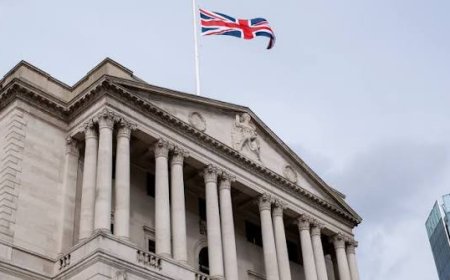
Whatever the committee decides on Thursday, most economists agree the situation remains fluid. The Bank has repeatedly stressed that its decisions will continue to be shaped by how the geopolitical situation evolves, rather than by domestic data alone. For now, households, businesses and mortgage brokers alike are left waiting to see whether Threadneedle Street opts for caution or takes its first tightening step in years.
What's Your Reaction?
 Like
0
Like
0
 Dislike
0
Dislike
0
 Love
0
Love
0
 Funny
0
Funny
0
 Angry
0
Angry
0
 Sad
0
Sad
0
 Wow
0
Wow
0