




























UK Borrowing Beats Forecasts Ahead of Autumn Budget
Public borrowing came in above forecasts in July as retail sales slipped, tightening the fiscal squeeze on Chancellor John Healey ahead of his first Budget in October.

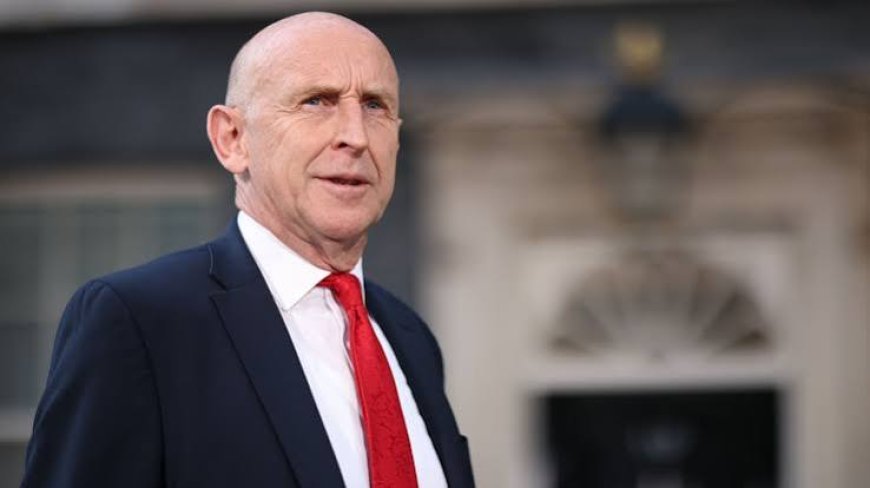
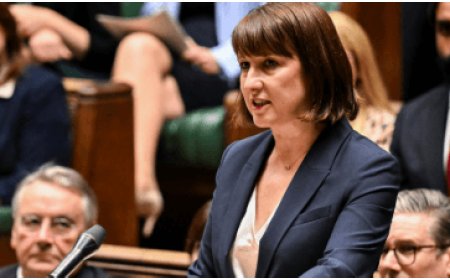
The UK government borrowed more than expected in July, according to figures published by the Office for National Statistics on Friday, adding pressure on Chancellor John Healey as he finalises his first Budget since taking on the role under Prime Minister Andy Burnham.
Public sector net borrowing stood at £1.8 billion in July, some £2.3 billion above the forecast set out by the Office for Budget Responsibility. Although July remains the sixteenth-lowest borrowing figure for that month on record, it marks a jump of roughly two-thirds compared with the same month last year, driven largely by spending growth that outpaced tax receipts. The overshoot leaves total public debt hovering just below the symbolic £3 trillion mark, even though debt as a proportion of national output has eased slightly compared with a year earlier.
The borrowing data landed alongside a weaker-than-expected reading on the high street. Retail sales volumes for July came in soft, extending a run of underwhelming consumption figures that analysts say reflects continued pressure on household budgets. Coming so close to the Chancellor's Budget preparations, economists said the combination of higher borrowing and cooling retail activity leaves little room for the government to loosen the purse strings when it unveils its tax and spending plans on 27 October.
Not all of Friday's economic signals pointed in the same direction, however. A separate flash survey showed the UK's services sector grew at a considerably faster pace than expected in August, with the preliminary S&P Global/CIPS Services Business Activity Index jumping to 53.6, comfortably ahead of the 51.8 economists had pencilled in. Manufacturing told a different story, with its equivalent index slipping further into contraction territory. The mixed picture underscores a two-speed economy in which the dominant services sector is holding up relatively well while factories continue to struggle with weak order books.
Financial markets reacted cautiously to the data. Gilt yields, the interest rate the government pays to borrow over the long term, pushed higher during the morning session, reflecting ongoing investor unease about the sustainability of UK public finances. The pound firmed modestly against the dollar following the stronger services survey, even as the borrowing figures added to the fiscal backdrop the Chancellor must navigate.
The timing could hardly be more sensitive. Healey inherited the Treasury brief amid the wider reshuffle that followed Burnham's arrival in Downing Street, and has been widely expected to use his first Budget to address the cost-of-living pressures that dominated the change of prime minister. The government has already announced a series of measures aimed at easing household bills, including the removal of the 5% VAT rate on domestic electricity from October and a new cap on single bus fares outside London from January. Each of those commitments carries a cost to the Exchequer, and Friday's figures will fuel speculation about where the Chancellor will look to raise revenue or trim spending elsewhere to keep the public finances on a credible path.
Independent economists were quick to caution against reading too much into a single month's data, noting that borrowing figures are frequently revised and that July, in particular, can be distorted by the timing of self-assessed income tax receipts. Even so, several analysts said the direction of travel reinforces the view that the Chancellor has limited fiscal headroom, and that any further giveaways in October are likely to be modest and tightly targeted.
Business groups, meanwhile, seized on the stronger services PMI reading as a rare piece of good news, arguing it shows underlying resilience in the economy despite the drag from elevated borrowing costs and subdued consumer spending. Retailers, however, struck a more downbeat tone, pointing to the July sales slippage as evidence that many households remain cautious about discretionary spending even as headline confidence measures have ticked up elsewhere.
With little more than two months until the Budget, all eyes will now turn to how Healey balances the competing demands of supporting stretched households, reassuring bond markets, and delivering on the wider economic renewal agenda that has defined the opening weeks of Burnham's premiership.
What's Your Reaction?
 Like
0
Like
0
 Dislike
0
Dislike
0
 Love
0
Love
0
 Funny
0
Funny
0
 Angry
0
Angry
0
 Sad
0
Sad
0
 Wow
0
Wow
0