
























Labour MPs Push Burnham on Electoral Reform
Nearly 100 Labour MPs have signed an amendment urging PM Andy Burnham to launch an electoral reform commission, fearing Reform UK could win power on minority support.

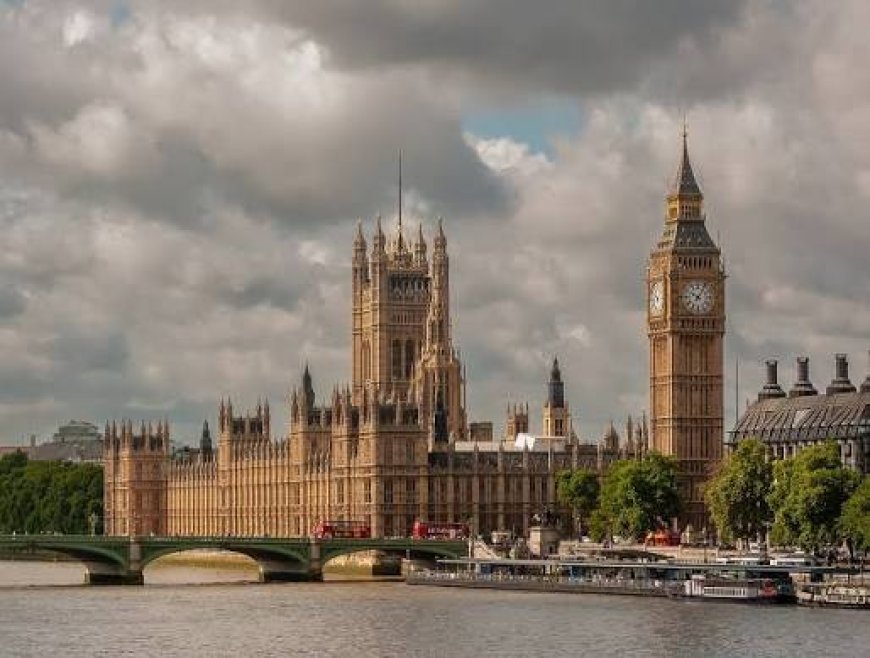
Pressure mounts on Burnham as MPs push for voting overhaul
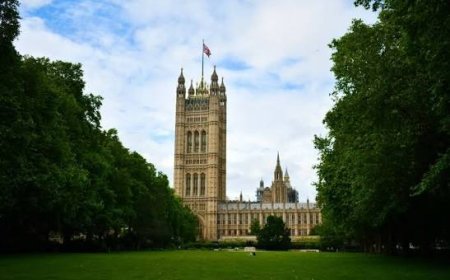
A significant bloc of Labour backbenchers has thrown its weight behind a fresh push to change the way Britain elects its governments, tabling an amendment that calls on Prime Minister Andy Burnham to establish a formal commission into electoral reform within the first 100 days of his premiership.
The amendment, attached to the Representation of the People Bill due to return to the Commons on 2 September, has attracted signatures from close to 100 Labour MPs, according to party sources. More strikingly, it has gathered support from 185 MPs drawn from eight different parties as well as independents, suggesting the appetite for change now stretches well beyond Labour's own benches.
Among those who have added their names are serving ministers, including Energy Secretary Miatta Fahnbulleh and Communities Minister Florence Eshalomi, along with the Prime Minister's own parliamentary private secretary, Jo Platt. Convention typically requires frontbenchers to withdraw their support once Parliament formally reconvenes, but their initial backing is being read at Westminster as a clear signal of where sympathies lie inside government.
Why the pressure has built now
The renewed push reflects how dramatically Britain's political landscape has fragmented in a short space of time. Five parties — Labour, the Conservatives, Reform UK, the Liberal Democrats and the Greens — are now locked in close competition for votes, a far cry from the largely two-party contests of previous decades.
That fragmentation has exposed what critics see as a growing flaw in first-past-the-post. In 2024, Labour won nearly two-thirds of Commons seats while securing only around a third of the national vote. Reform UK has since been polling consistently at or above 30 per cent, a level of support that, under the current system, could realistically hand Nigel Farage's party a comfortable Commons majority despite the bulk of voters backing other parties.
For many of the newer intake of Labour MPs elected in 2024, this is not simply theoretical. They argue the current system forces voters into tactical choices, renders millions of ballots effectively meaningless, and feeds public disillusionment with politics — an argument bolstered, they say, by the fact Britain has had seven prime ministers in barely a decade despite first-past-the-post's traditional reputation for delivering stable government.
What the amendment would actually do
Because launching a national commission would not require primary legislation, the amendment itself may technically sit outside the scope of the bill it has been attached to. MPs backing the move say that is beside the point: the amendment is designed to demonstrate, unmistakably, how broad support for reform has become, and to apply direct pressure on Number 10 ahead of the bill's remaining Commons stages.
Former Treasury minister Rachel Blake said the parliamentary Labour party had reached a shared view that first-past-the-post was no longer fit for purpose, arguing that a national commission was the logical next step and should be launched within the Prime Minister's first 100 days. Labour's national executive committee member Luke Akehurst went further, suggesting Parliament was simply catching up with where public opinion already sits, and urged Burnham to seize a political opportunity he has long supported in principle.
Other MPs highlighted specific groups they believe are failed by the current system. Lizzi Collinge argued that first-past-the-post particularly devalues the votes of renters, younger voters and Black and Asian communities, producing parliaments that do not reflect how the country actually votes. Catherine Fookes, a former minister, said the system was simply incapable of coping with a genuinely multiparty Britain, while backbencher Mike Reader described a "sea change" in attitudes towards proportional representation both within Labour and among the wider public.
Burnham's balancing act
Burnham has long been personally sympathetic to reform. As Mayor of Greater Manchester, he backed calls for a national commission at last year's Labour conference and supported a manifesto commitment to introduce proportional representation for Westminster elections in the next parliament.
Downing Street's official position, however, remains more cautious. A government spokesperson confirmed the Prime Minister remains committed to including electoral reform in Labour's next manifesto, but stopped short of endorsing the new commission outright. A Labour source close to the discussions indicated the immediate priority for the current bill is delivering other manifesto commitments, including votes at 16 and tighter rules on foreign interference in political donations, with electoral reform positioned as a longer-term project requiring a fresh electoral mandate.
That note of caution has not satisfied campaigners. Alex Sobel, the MP who tabled the amendment, said a majority of MPs — and a majority of his own party's MPs — now back reform, and that signatories want to work constructively with the Prime Minister to move Britain towards what he called a fairer, more modern system of general elections. Emma Harrison, chief executive of the campaign group Make Votes Matter, was blunter still, insisting Burnham must act decisively while he still commands a workable Commons majority to show the public he deserves their trust.
The road ahead
Britain last considered changing its voting system in the 2011 alternative vote referendum, which reform was decisively rejected. Labour's own 2022 conference backed a shift towards proportional representation, a moment Burnham himself later described as historic.
With the Representation of the People Bill's remaining stages imminent and October's Budget already looming large on the political calendar, the timing places immediate pressure on the Prime Minister. Supporters of the commission see it as the clearest route to a firm manifesto commitment — one that, if Labour wins the next election, could finally close off the possibility of a party governing on roughly 30 per cent public support ever again.
What's Your Reaction?
 Like
0
Like
0
 Dislike
0
Dislike
0
 Love
0
Love
0
 Funny
0
Funny
0
 Angry
0
Angry
0
 Sad
0
Sad
0
 Wow
0
Wow
0