


























Independent Football Regulator Bill Advances in Parliament
Parliament moves the Football Governance Bill forward, establishing a statutory watchdog to oversee financial sustainability across English football leagues.

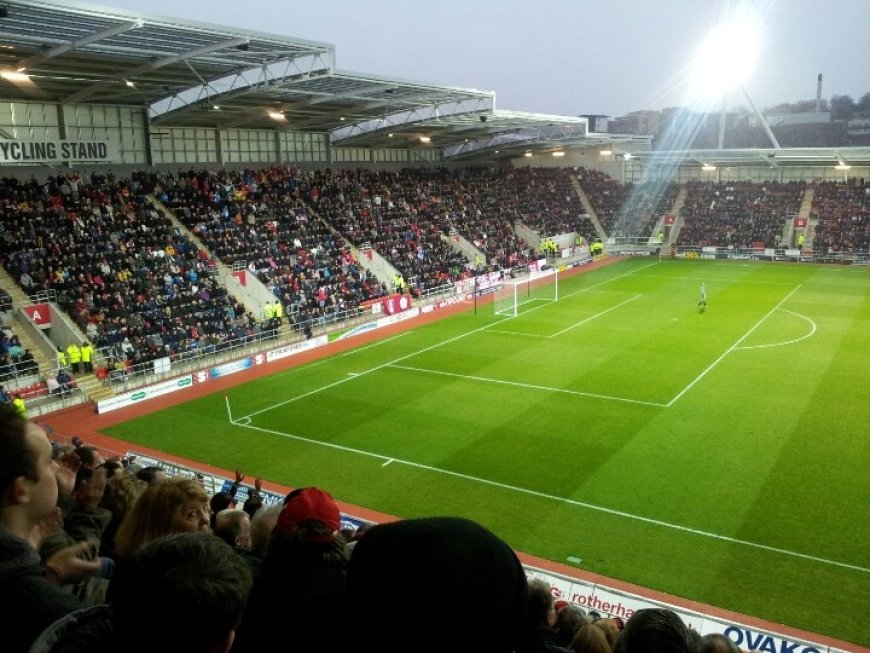
English football stands on the precipice of its most radical structural change in more than a century as the Football Governance Bill advanced through Parliament with decisive multi-party support.
The landmark legislation creates a powerful, independent statutory regulator for elite men’s football, spanning the top five tiers of the national pyramid from the Premier League down through the English Football League (EFL) and the National League. The regulator is tasked with safeguarding the financial resilience of clubs, preserving heritage community assets, and preventing a repeat of the financial collapses that previously devastated historic institutions such as Bury FC and Macclesfield Town.
Statutory Powers and Financial Redistribution
The legislation grants the newly formed body robust supervisory and enforcement tools. Chief among them are backstop powers to resolve long-standing disputes regarding revenue distribution throughout the football pyramid if the Premier League and the EFL fail to reach a voluntary financial settlement.
For months, negotiations between top-flight clubs and the lower divisions over an enhanced financial distribution model had stalled, with lower-league clubs warning of systemic deficits driven by escalating wage bills and operational overheads.
Under the provisions of the bill, the regulator can intervene to mandate a binding revenue-sharing formula, ensuring that a greater proportion of the Premier League’s multibillion-pound broadcast revenues flows down to support the financial health of Championship, League One, and League Two clubs.
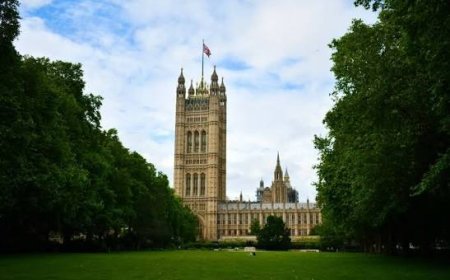
Culture, Media and Sport Secretary Lisa Nandy addressed the House of Commons during the legislative debate, highlighting the irreplaceable cultural status of football clubs within their local communities.
"A professional football club is not an ordinary commercial enterprise that can simply be liquidated when balance sheets fail," Nandy stated. "They are the beating cultural hearts of towns and cities across our nation, representing generations of civic pride, collective memories, and community identity. This bill ensures that reckless financial mismanagement and rogue owners can no longer put over a century of local heritage at risk."
Tougher Owners’ and Directors’ Tests
A central pillar of the regulatory overhaul is the introduction of a modernized, legally binding Owners' and Directors' Test.
In past decades, football authorities faced heavy criticism for failing to prevent unfit custodians from acquiring clubs, leading to insolvency, asset-stripping, and severe point deductions. The new regulator will subject prospective buyers and existing directors to rigorous forensic assessments, evaluating:
- Proof of Source of Wealth: Exhaustive anti-money laundering verifications regarding all acquired and operating capital.
- Financial Sustainability Plans: Mandatory stress-testing of proposed business models to ensure clubs do not rely solely on volatile owner subsidies to service operating debts.
- Integrity and Governance Standards: Scrutiny of historical corporate track records and associations with financial impropriety or sports integrity breaches.
Crucially, the regulator will possess the statutory power to revoke ownership licenses, enforce divestitures, and block hostile takeovers that threaten the stability of member clubs.
Fan Engagement and Heritage Protections
The legislation directly incorporates the core recommendations of the Fan-Led Review of Football Governance, led by Conservative MP Dame Tracey Crouch following the collapsed European Super League breakaway attempt in 2021.
Under the new statutory framework, clubs will be explicitly forbidden from joining unauthorized or closed-shop competitions such as an unapproved European Super League. Furthermore, clubs will be legally bound to establish Fan Advisory Boards, granting supporters consultative rights over club decisions involving heritage assets.
These protections include mandatory supporter consent before any alterations can be made to a club’s traditional crest, home playing colours, or official stadium name, as well as strict restrictions preventing owners from selling or relocating stadiums without exhaustive community consultation and regulatory approval.
EFL Chairman Rick Parry welcomed the bill’s progress, describing it as an essential step toward restoring systemic balance to the English game.
"We have consistently advocated for an independent regulator with teeth to address the unsustainable financial cliff-edge separating the Premier League from the rest of the pyramid," Parry said. "This legislation will ensure that our pyramid remains vibrant, competitive, and financially secure for generations of supporters."
Premier League Response and Global Competitiveness
The Premier League executive and several top-flight club owners had previously cautioned against excessive statutory intervention, arguing that heavy-handed bureaucracy could undermine the league’s global commercial preeminence, restrict inward investment, and weaken its ability to attract world-class playing talent.
However, in response to parliamentary amendments, government ministers reaffirmed that the regulator’s scope is carefully circumscribed to financial sustainability and systemic stability, leaving sporting rules, tactical regulations, and daily commercial sponsorships to the football authorities.
With the bill now scheduled for its concluding legislative readings, the shadow regulatory body is expected to commence preliminary operations, with full statutory licensing and enforcement powers taking effect ahead of the forthcoming football season.
What's Your Reaction?
 Like
0
Like
0
 Dislike
0
Dislike
0
 Love
0
Love
0
 Funny
0
Funny
0
 Angry
0
Angry
0
 Sad
0
Sad
0
 Wow
0
Wow
0