






















England Drought Deepens as Driest Summer on Record Bites
Reservoir levels keep falling and millions remain under hosepipe bans as England battles its driest summer on record, with farmers warning of a brutal harvest.

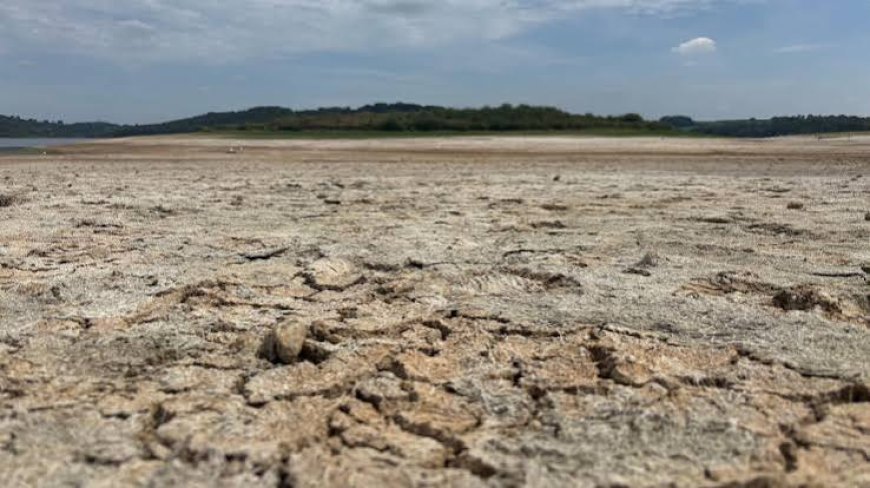
England's water crisis has continued to deepen this summer, with the country now enduring its driest run on record and reservoir levels falling further even as millions of households remain under restrictions on their water use.
The Environment Agency's most recent weekly briefing shows reservoir storage across England has slipped to 65.9 percent of capacity, nearly 14 percentage points below the long-term average for this point in the year. Five reservoirs are now classed as exceptionally low, while roughly a third of groundwater monitoring sites are registering below-normal levels as the seasonal decline continues. The figures follow a July that the Met Office confirmed was the driest across England since national records began in 1836, with rainfall for August running at a fraction of what would typically be expected by this stage of the month.
Around 71 percent of England had been formally declared in drought by 10 August, according to the Environment Agency, bringing the total number of affected areas to eleven and placing roughly 45 million people within drought-designated regions. Eight water companies have introduced temporary use bans, commonly known as hosepipe bans, affecting more than 27 million customers across large parts of the country. The agency has warned that further areas could see their status change in the coming weeks if dry conditions persist, with formal restrictions being considered for the Wye catchment in the West Midlands should rainfall continue to fall short.
The impact is being felt well beyond taps and garden hoses. More than 1,500 restrictions are currently in place on agricultural abstraction licences, limiting how much water farmers and other users can draw from rivers and groundwater sources. In East Anglia, the Environment Agency has introduced formal restrictions affecting 302 abstractors, cutting the amount many can draw by half in order to protect exceptionally low river flows. Farming groups have warned of a difficult harvest this year, citing reduced crop yields and livestock producers being forced to dip into winter feed stocks far earlier than usual because of poor grass growth.
River navigation has also been disrupted, with the Canal and River Trust mounting what it has described as a national incident response as low flows and falling water levels affect canals and reservoir-fed waterways across the country. Officials have also flagged rising risks to fish and other wildlife, as warmer river temperatures combine with reduced flows to put additional pressure on already stressed ecosystems.
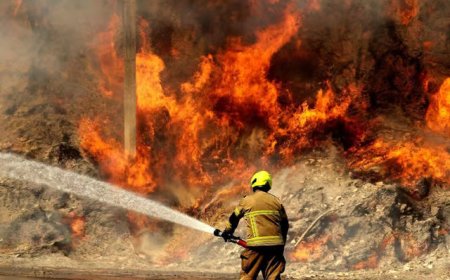
The Met Office has said summer 2026 is on course to be the hottest in the UK's recorded history, capping a year that has already produced multiple heatwaves and an unusually high number of days with temperatures at or above 36 degrees Celsius. Provisional figures put the summer's peak at 38.1 degrees Celsius, recorded in London in mid-August, among the hottest temperatures ever measured in the UK. Fire services have reported a sharp rise in grassland and wildland fires compared with previous years, prompting temporary bans on disposable barbecues and public warnings about the heightened risk of blazes spreading in tinder-dry conditions.
Government and industry officials have sought to strike a balance between managing the immediate crisis and preparing for a future in which such extremes become more frequent. The Climate Change Committee has previously noted the striking contrast between the flooding seen in parts of the UK earlier this year and the acute dryness now gripping large areas of England, arguing the swings illustrate the need for infrastructure capable of capturing and storing more water during wetter periods. Longer-term projections cited by industry analysts suggest that, without further investment, drier summers could leave England facing a daily shortfall of more than five billion litres of water by the middle of the century.
For now, water companies and the Environment Agency are urging households to continue conserving water as the drought shows little sign of easing. Forecasters say any rain expected over the coming days is unlikely to be enough to meaningfully reverse months of accumulated deficit, meaning restrictions on hosepipes, abstraction and, in some cases, farming activity are likely to remain in place well into the autumn.
Next Article
What's Your Reaction?
 Like
0
Like
0
 Dislike
0
Dislike
0
 Love
0
Love
0
 Funny
0
Funny
0
 Angry
0
Angry
0
 Sad
0
Sad
0
 Wow
0
Wow
0