

















British Army Halts War Games to Save £30m
The British Army has suspended large-scale training exercises to plug a £30m funding gap, sparking fierce criticism from senior former commanders over readiness.

The British Army has been told to suspend all but essential large-scale training exercises for the remainder of the year, in a move designed to close a £30 million gap in its in-year running costs. The decision, confirmed by defence sources this week, has triggered a wave of criticism from senior figures within the military establishment, who argue it leaves the country dangerously underprepared.
What is being cancelled
Under the new directive, commanding officers have been instructed to stop collective training exercises involving more than roughly 90 soldiers, unless those units are preparing for imminent deployment or hold a standby or quick-reaction role. Troops already committed to operations abroad — including deployments to Estonia, Cyprus and the Falklands — will continue to train as normal.
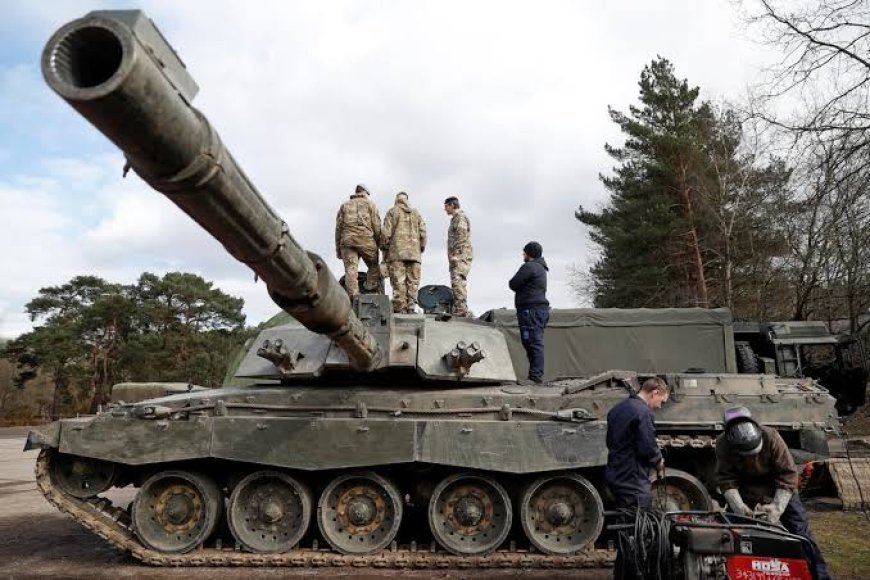
Among the casualties of the freeze is a planned six-week combat exercise in Wales that was due to begin within days, involving Challenger 2 tanks and Apache attack helicopters from the Royal Tank Regiment. Large-formation "war games", of the kind that have traditionally formed the backbone of British Army readiness training, have effectively been put on ice for most units based in the UK.
Reservist training budgets have also been trimmed by around 10 per cent as part of the same cost-saving drive, according to defence sources familiar with the plans. Officials say the cuts apply strictly to in-year running costs and are entirely separate from long-term equipment programmes such as new warships and fighter jets.
Army defends the decision
The Ministry of Defence has stopped short of denying the reports, instead framing the pause as a deliberate reprioritisation informed by lessons from the war in Ukraine. Officials argue that traditional exercises involving large concentrations of tanks and vehicles are now more vulnerable than ever to cheap drone strikes, and that training resources should instead be channelled into smaller-scale skills such as counter-drone tactics, driving, camouflage and core weapons handling.
A military spokesperson said the Army continues to prioritise activity that most directly contributes to readiness, deployability and operational effectiveness, pointing to a recently announced £2 billion investment intended to transform Army training over the next 15 years.
Former commanders sound the alarm
Not everyone is convinced. General Sir Patrick Sanders, who led the Army until 2024, branded the decision short-sighted, while Justin Maciejewski, director of the National Army Museum, went further, describing the scale-back as unprecedented since the Second World War given the scale of threats Britain currently faces.
One senior military source described morale on the ground as badly shaken, noting that hundreds of soldiers in some units now have little meaningful training to occupy them until the freeze is lifted. Defence chiefs are reportedly being careful about how the cancellations are communicated publicly, mindful of the message the pause could send to Britain's adversaries at a time of heightened tension with Russia.
The political backdrop
The training freeze lands at an awkward moment for Prime Minister Andy Burnham's government, which took office in July following Sir Keir Starmer's resignation. Ministers are under sustained pressure to increase defence spending amid warnings over Russian intentions, while simultaneously facing calls to protect Britain's vast welfare budget, which dwarfs total defence spending several times over.
Conservative leader Kemi Badenoch has accused the government of failing to prioritise national defence, warning that Britain's adversaries will not wait patiently while ministers search for extra funding. The episode adds to a broader narrative of fiscal strain facing Whitehall departments as the Treasury grapples with elevated borrowing costs ahead of the autumn Budget.
Why it matters
Britain currently spends a smaller share of its economic output on defence than many of its NATO allies, including Poland, Germany and the United States. Critics argue that pausing collective training — even temporarily — risks eroding hard-won operational skills that take years to rebuild, precisely at a moment when the geopolitical outlook has rarely felt more uncertain.
Whether the pause proves to be a short, targeted cost-saving measure or the start of a longer squeeze on military readiness will likely become clearer once the government's autumn spending plans are published. For now, though, thousands of British soldiers based at home face a training calendar considerably thinner than usual — and a debate about the true cost of Britain's fiscal tightrope that shows no sign of fading.
What's Your Reaction?
 Like
0
Like
0
 Dislike
0
Dislike
0
 Love
0
Love
0
 Funny
0
Funny
0
 Angry
0
Angry
0
 Sad
0
Sad
0
 Wow
0
Wow
0