




























UK-Israel Row Deepens Over West Bank Sanctions Move
Israel has ordered Britain's East Jerusalem consulate shut within 30 days after the UK imposed sanctions on West Bank settlements. Foreign Secretary Ed Miliband defends the move.

A Diplomatic Rupture Over the West Bank
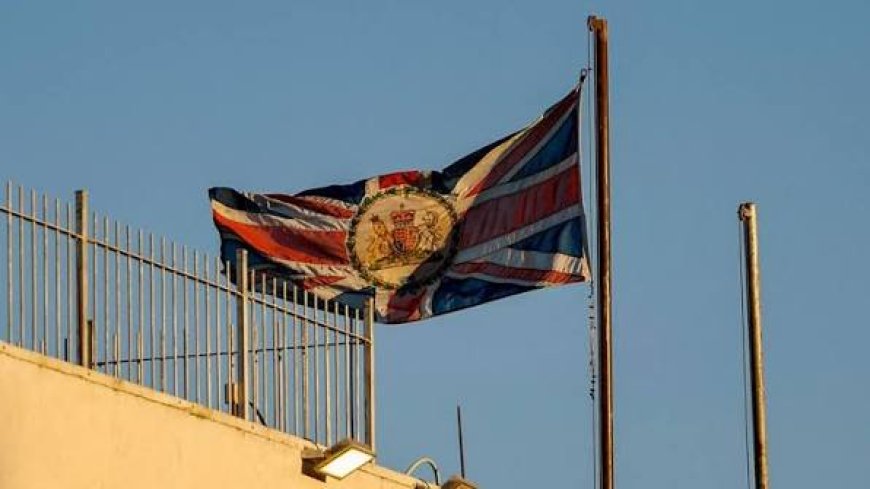
Relations between London and Jerusalem have plunged to their lowest point in years after Israel ordered Britain to shut its historic consulate in East Jerusalem, a direct reprisal for a sweeping package of sanctions the UK government unveiled against Israeli settlements in the occupied West Bank.
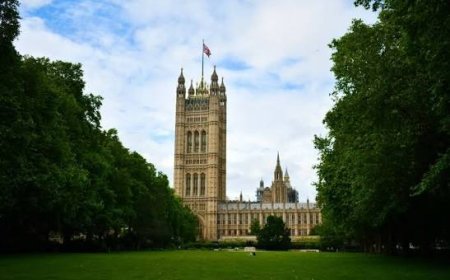
The confrontation erupted this week when Foreign Secretary Ed Miliband stood before the House of Commons and announced that Britain would ban the import of goods produced in West Bank settlements, alongside sanctions on companies and individuals accused of financing, building or providing services to settlement expansion. The government also confirmed it would refuse new arms export licences for equipment that could contribute to the occupation, while maintaining an existing suspension on around 30 licences already in place.
Miliband did not mince his words. He told MPs that the government's assessment was that settler violence against Palestinians amounted to what he described as ethnic cleansing, and that ministers had concluded they could no longer watch events unfold from the sidelines. "We could not simply stand by because we feared Israeli reaction," he said, adding that the occupation of the West Bank was, in the UK's view, unlawful.
Israel's Retaliation
The response from Jerusalem was swift and pointed. Israeli Foreign Minister Gideon Saar announced that Britain's consulate in East Jerusalem, a diplomatic post with roots stretching back to the nineteenth century and a crucial channel for UK engagement on Palestinian affairs, would be required to close within 30 days, after which British diplomats stationed there would lose their official status.
Saar went further, branding the British measures "morally distorted" and accusing London of interfering in the internal affairs of a sovereign state ahead of Israeli elections expected next month. He dismissed Miliband's ethnic cleansing remarks as "outrageous lies" and confirmed a series of additional retaliatory steps: Britain would be excluded from a US-led coordination mission operating in Gaza, British-run training programmes for Palestinian Authority security forces in the West Bank would be terminated, and a number of UK parliamentarians, including former Labour leader Jeremy Corbyn, would be barred from entering Israel.
Britain Not Acting Alone
Crucially, the UK did not act in isolation. France and Canada joined Britain in banning imports from West Bank settlements, while a further group of nations, among them Denmark, Finland, Ireland, Norway, Poland, Portugal, Spain and Sweden, publicly backed the move or signalled they would introduce similar restrictions. Officials described the coordinated action as a defence of the long-standing international consensus behind a two-state solution, which the current Israeli government has repeatedly rejected.
Speaking to the BBC as the row escalated, Miliband said he regretted Israel's decision to close the consulate but admitted it had not come as a surprise. "We weighed the costs and benefits of acting," he said, arguing that ministers had judged the moral and diplomatic case for intervention outweighed the risk of Israeli retaliation.
Domestic Political Fallout
The measures have also stirred controversy at home. Conservative leader Kemi Badenoch used a newspaper column to accuse the Labour government of allowing party-political considerations to shape foreign policy, arguing that the sanctions prioritised internal Labour dynamics over Britain's strategic interests. The criticism adds to pressure on Prime Minister Andy Burnham's government, which took office in the summer following Keir Starmer's resignation and has been keen to demonstrate a distinct approach to foreign affairs.
Downing Street has so far stood firmly behind Miliband's handling of the issue, framing the sanctions as consistent with Britain's historic support for a negotiated two-state settlement between Israelis and Palestinians. Officials point to United Nations findings that document the scale of settlement expansion in the West Bank, an area home to more than 700,000 Israeli settlers living across some 166 settlements, according to figures published last year.
What Happens Next
With the 30-day deadline now running, British officials face a narrow window to relocate consular operations or negotiate an alternative arrangement for representing UK interests in East Jerusalem. The Foreign Office has not detailed contingency plans, though former diplomats have suggested the consulate's functions, including support for British nationals and engagement with Palestinian civil society, could be temporarily absorbed by the UK's embassy structures elsewhere in the region.
The dispute is likely to dominate diplomatic exchanges in the coming weeks, with the United States understood to have declined to publicly criticise the British-led sanctions despite its close alliance with Israel. Analysts say the episode marks one of the most serious ruptures in UK-Israel relations in decades and will be closely watched by other European governments weighing similar action. For now, both sides show little sign of backing down, leaving the future of Britain's oldest diplomatic post in Jerusalem hanging in the balance.
What's Your Reaction?
 Like
0
Like
0
 Dislike
0
Dislike
0
 Love
0
Love
0
 Funny
0
Funny
0
 Angry
0
Angry
0
 Sad
0
Sad
0
 Wow
0
Wow
0