

































£10bn Council Housing Plan Unveiled Across England
The government has released almost £10bn to councils and housing associations, funding over 70,000 new social and affordable homes across England.

A New Chapter for Council Housebuilding
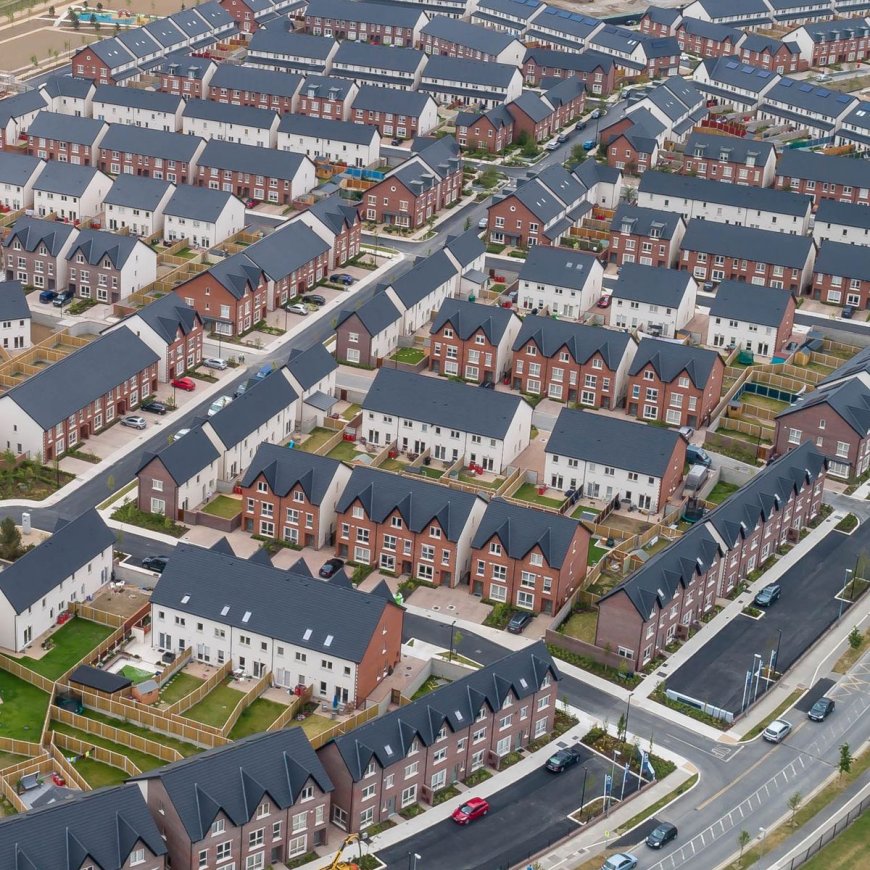
England's housing crisis has dominated headlines for years, but Tuesday brought one of the most significant funding announcements in a generation. Housing Secretary Angela Rayner and the Prime Minister confirmed that almost £10 billion will flow to 33 councils, housing associations and other providers, kickstarting a drive to deliver more than 70,000 new social and affordable homes across the country.
The funding forms the opening instalment of the government's £39 billion Social and Affordable Homes Programme, a ten-year commitment first outlined in 2025. What makes this announcement different from previous housing pledges is the scale of trust being placed in local authorities. For the first time, councils outside London have been granted "strategic partner" status alongside established housing associations, giving them long-term funding certainty to plan and build at scale rather than relying on piecemeal grants.
Where the Money Is Going
Of the nearly £10 billion allocated, more than £2 billion is earmarked for mayoral areas outside the capital, including Greater Manchester, the West Midlands, West Yorkshire, South Yorkshire, the North East and Liverpool. Greater Manchester alone has secured the largest single allocation among the mayoral regions, enough to support thousands of new homes over the coming years. A further £6 billion had already been committed to London separately, meaning the capital's housing pipeline continues to run in parallel with the national rollout.
Roughly six in ten of the new homes are expected to be built for social rent, a target that reflects mounting pressure on temporary accommodation. Government figures cited alongside the announcement suggest close to 180,000 children in England are currently growing up without a permanent home, a statistic ministers say has become central to the case for urgent action.
Councils Back in the Driving Seat
For decades, council housebuilding in England slowed to a trickle as funding was diverted mainly through housing associations and private developers. This announcement marks a deliberate shift back towards local authority-led delivery. Alongside the core funding, an additional pot has been set aside specifically to strengthen councils' capacity and expertise, recognising that many local authorities have lost the specialist skills needed to run large-scale building programmes after years of budget constraints.
Councils will also gain greater access to funds raised through Right to Buy sales, which generated more than £1.6 billion in the last financial year alone. Previously, much of that money returned to central government; keeping more of it locally is intended to give councils an additional lever to reinvest directly into new housing stock.
Mayors Handed Greater Planning Powers
The rollout is closely tied to the government's wider devolution agenda. Regional mayors are being given expanded authority over local planning decisions, allowing them to green-light larger developments without waiting on Whitehall sign-off. Local leaders have broadly welcomed the shift, though housing charities and council representative bodies have urged mayors and local authorities to coordinate closely to avoid duplication or delays in getting shovels into the ground.
More than £16 billion of the total £39 billion programme remains unallocated outside London, with future funding waves expected to be distributed to regions over the programme's ten-year lifespan. Ministers have framed the announcement as the first major test of whether devolved decision-making can genuinely accelerate housebuilding after years of missed national targets.
What It Means for Families on Waiting Lists
For the hundreds of thousands of households currently on social housing waiting lists, the practical impact of Tuesday's announcement will take time to materialise. Housing associations and councils will now need to move from funding certainty into site acquisition, planning approval and construction — a process that typically takes years rather than months.
Even so, housing charities have described the funding as a meaningful signal of intent, particularly given the emphasis on social rent rather than shared ownership or affordable rent models, which have historically absorbed a larger share of government support. Whether the promised 70,000 homes materialise on schedule will likely become one of the key measures by which this government's housing policy is judged in the years ahead.
What's Your Reaction?
 Like
0
Like
0
 Dislike
0
Dislike
0
 Love
0
Love
0
 Funny
0
Funny
0
 Angry
0
Angry
0
 Sad
0
Sad
0
 Wow
0
Wow
0