




























Dimon Meets Burnham Amid UK Bank Tax Fears
JPMorgan boss Jamie Dimon met PM Andy Burnham and Chancellor John Healey as fears grow of a banking sector tax raid in the October Budget.


Wall Street Heavyweight Lobbies Downing Street Over Tax Fears
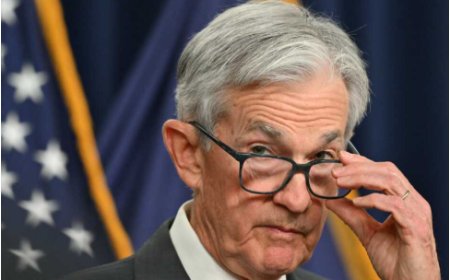
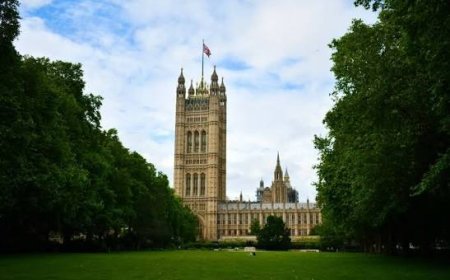
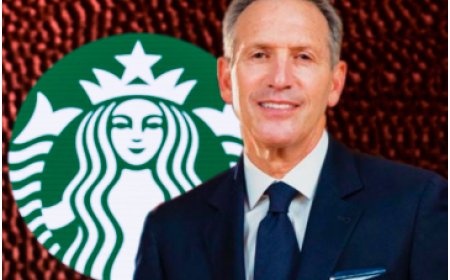
Jamie Dimon, the veteran chief executive of JPMorgan Chase, travelled to London this week for face-to-face talks with Prime Minister Andy Burnham and Chancellor John Healey, as speculation mounts that the Treasury is preparing to squeeze the banking sector harder in next month's Budget.
The meeting, described by officials as an introductory session on JPMorgan's UK operations, took place against a backdrop of growing unease in the City of London. With the Budget set for 28 October, ministers are grappling with a shrinking pool of fiscal headroom, and banks have emerged as one of the sectors most exposed to a possible revenue grab.
Why the Treasury Is Eyeing Banks
Healey inherited the Treasury brief only weeks ago, taking over as Chancellor after Burnham's arrival in Downing Street reshaped the Cabinet. Economists tracking the public finances say the headroom left by his predecessor has narrowed sharply, partly because of higher borrowing costs following turbulence in global bond markets. Some estimates suggest the fiscal cushion built up at the last Budget could be cut by as much as half by the time Healey stands up at the despatch box.
Against that backdrop, a tax on bank profits or balance sheets has re-emerged as one of the more straightforward levers available to the Treasury. Banks have posted strong profits in recent years, buoyed by higher interest rates, making them a politically easier target than, say, income tax rises on working households — something Burnham's government has signalled it wants to avoid touching directly.
Industry Pushes Back
UK Finance, the trade body representing banks and other lenders, has written formally to Healey warning of the consequences of singling out the sector again. In the letter, the group's chief executive argued that banking underpins every part of the UK economy, from mortgages and business lending to the country's standing as a global financial centre, and cautioned that additional sector-specific taxes risk undermining that role just as the government is trying to encourage investment.
Dimon's intervention adds significant weight to that lobbying effort. As the head of one of the world's largest banks, with major operations in London and a workforce running into the thousands across the UK, his views carry unusual influence in Whitehall. During the meeting, he is understood to have stressed the importance of "getting public policy right" to support economic growth, echoing arguments he has made previously about how higher taxes can drive financial jobs to lower-tax jurisdictions.
A Budget Shaped by Global Pressures
The backdrop to the discussions is unusually fraught. Global bond markets have been rattled in recent weeks, with US Treasury yields climbing to their highest level in years after a bond buyback failed to reassure investors. Higher borrowing costs abroad tend to filter through to UK gilts, adding further strain to the public finances just as the Chancellor finalises his tax and spending plans.
At the same time, trade union leaders have been pushing in the opposite direction. The TUC's general secretary has called for higher taxes on wealth to help fund support for households facing rising energy costs this winter, arguing that banks and other highly profitable sectors should contribute more rather than less.
That leaves Healey navigating a difficult middle path: resisting pressure from powerful City figures like Dimon while facing calls from within the labour movement — a key part of Labour's traditional base — to go further, not less far, in taxing wealth and corporate profit.
What Happens Next
No formal decisions have been announced, and Treasury officials have so far declined to comment in detail on individual meetings or speculate on Budget contents ahead of the statement itself. However, the frequency and seniority of engagements between government and banking leaders in recent weeks suggests the sector is bracing for at least some form of additional levy.
For ordinary households, the outcome of this behind-the-scenes tussle could matter more than it first appears. If banks succeed in fending off a windfall tax, the Treasury may need to find the shortfall elsewhere — potentially through broader tax rises or spending restraint. If the government presses ahead regardless, banks have warned they could scale back investment or hiring plans in the UK, a threat that will be tested in the weeks leading up to 28 October.
Either way, the coming weeks are likely to see intensified lobbying from all sides as the Budget approaches, with businesses, unions and the public all watching closely to see who ultimately bears the cost of steadying Britain's finances.
What's Your Reaction?
 Like
0
Like
0
 Dislike
0
Dislike
0
 Love
0
Love
0
 Funny
0
Funny
0
 Angry
0
Angry
0
 Sad
0
Sad
0
 Wow
0
Wow
0