































UK Sets 40% Rail Freight Growth Target by 2040
The government has set a target to grow UK rail freight by 40% by 2040, as part of its Great British Railways vision to boost supply chains and economic growth.

A New Milestone for British Rail Freight
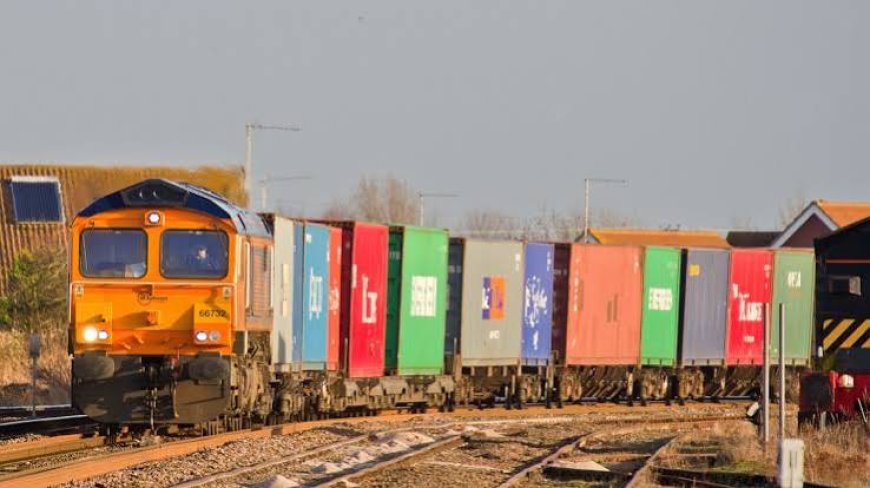
The government has set out an ambitious new target to grow rail freight across Britain by at least 40 per cent by 2040, unveiling the goal as part of a broader vision for Great British Railways designed to strengthen domestic supply chains, support house building and drive wider economic growth.
The announcement, made this week, positions the 2040 target as the first formal milestone on the way to a longer-term ambition of increasing rail freight volumes by at least 75 per cent by 2050. Ministers say the move reflects a determination to shift more goods movement away from congested roads and onto the rail network, cutting emissions while easing pressure on Britain's motorways.
Certainty for Industry to Invest
Transport Secretary Heidi Alexander said the new target was designed above all to give the rail freight sector the confidence to commit long-term investment, arguing that businesses need clear, government-backed goals before committing capital to new rolling stock, terminals and infrastructure. She said the plan would help companies move more goods, support the delivery of materials needed for new homes and infrastructure projects, and safeguard jobs across the country tied to the freight and logistics industry.
The freight target forms part of the wider Great British Railways initiative, the flagship reform programme intended to bring track and train operations under unified public oversight for the first time in decades. Ministers have consistently framed the reforms as an opportunity not just to improve passenger services, but to unlock the commercial potential of the freight sector, which industry figures argue has been historically underfunded and overlooked in favour of passenger investment.
Why Rail Freight Matters to the Wider Economy
Rail freight proponents have long argued that moving goods by train, rather than road, delivers substantial environmental and economic benefits. A single freight train can remove dozens of lorries from Britain's road network, easing congestion on major arterial routes and cutting the carbon emissions associated with long-distance haulage. With the government simultaneously pursuing ambitious house-building targets, industry figures say a stronger rail freight sector will be essential to moving the raw materials, from aggregates to timber, needed to support large-scale construction projects across the country.
The freight growth target also arrives against a backdrop of wider rail industry data pointing to renewed public and commercial confidence in the network. Separate figures published this week showed operators reporting strong economic contributions from their networks, with one major long-distance operator citing a multibillion-pound boost to the UK economy over recent years, underlining the scale of value ministers believe can be unlocked through a more ambitious freight strategy.
Balancing Freight Growth With Passenger Improvements
The freight announcement comes alongside a raft of other rail developments reported this week, illustrating the breadth of investment activity across the network. In the south-east, rail operator Southeastern confirmed plans for a new express service between Hastings and London from December, expected to cut peak journey times by as much as 14 minutes for commuters travelling via Tunbridge Wells and London Bridge. In the north-west, funding has finally been secured for a long-planned new station at Cottam Parkway, near Preston, after more than a decade of delays, following an allocation of £28.2 million from the Lancashire Combined County Authority.
Elsewhere, passengers have been warned to expect disruption this weekend as Network Rail carries out planned renewal works on the Great Western Main Line through Wiltshire, with services suspended between Swindon and both Bath Spa and Westbury while engineering work takes place, with replacement bus services in operation.
Industry Reaction and the Road Ahead
Freight operators have broadly welcomed the government's new target, though some industry voices have cautioned that achieving a 40 per cent increase by 2040 will require sustained investment in capacity, including new terminals, longer freight loops and improved connections between the rail network and major ports and distribution hubs. Analysts note that previous ambitions to grow rail freight's share of the UK logistics market have periodically stalled due to underinvestment in infrastructure and competition from road haulage.
The government has indicated that further detail on how the target will be funded and delivered will follow as the Great British Railways reforms progress, with officials keen to demonstrate tangible progress on freight growth alongside the more high-profile passenger service improvements that have dominated public debate about the future of Britain's railways. For now, the announcement marks a significant statement of intent from ministers determined to place freight at the centre of the UK's rail strategy for the next two decades.
What's Your Reaction?
 Like
0
Like
0
 Dislike
0
Dislike
0
 Love
0
Love
0
 Funny
0
Funny
0
 Angry
0
Angry
0
 Sad
0
Sad
0
 Wow
0
Wow
0