





















FTSE 100 Falls Amid Strait of Hormuz Tensions & Oil Price Rise
Britain's FTSE 100 opened lower on Wednesday as renewed uncertainty over the US-Iran standoff in the Strait of Hormuz pushed oil prices upward, weighing on investor sentiment. Markets remain on edge ahead of closely watched US inflation figures due later today.

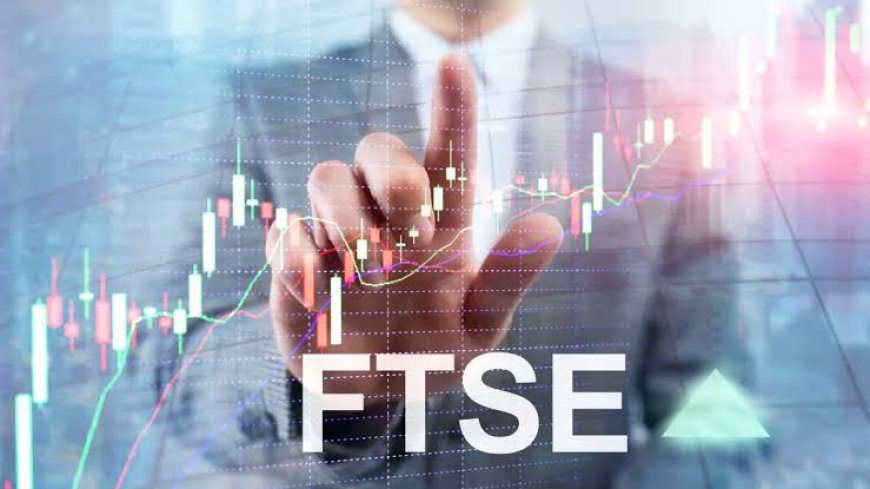
London Markets Open Lower as Geopolitical Jitters Return
Britain's blue-chip index opened in negative territory on Wednesday, extending a cautious, low-volume summer trading pattern as renewed tension between the United States and Iran over shipping access through the Strait of Hormuz unsettled global investors. The FTSE 100 slipped modestly in early trading, hovering close to the 10,830 mark, as traders weighed the risk of further disruption to one of the world's most critical oil shipping routes.
The unease stems from an increasingly tense standoff over the narrow waterway, through which a significant share of the world's seaborne oil passes daily. Iran has continued to insist the strait will remain effectively closed to certain traffic unless its conditions are met, despite diplomatic suggestions from regional players that the two sides may be edging closer to some form of arrangement. That uncertainty has been enough to keep energy markets on edge, with Brent crude trading close to $89 a barrel — a level that has quietly crept higher over recent sessions and is now feeding through into broader inflation concerns.
Energy and Defence Stocks Diverge
The mood on the London market was far from uniform. Energy majors Shell and BP both slipped modestly, a somewhat counterintuitive move given rising oil prices, as investors weighed the potential for broader economic damage from a prolonged Middle East standoff against the near-term benefit of higher crude prices to producers. Consumer-facing stocks bore the brunt of the selling, with Burberry, JD Sports and Tesco among the session's biggest fallers.
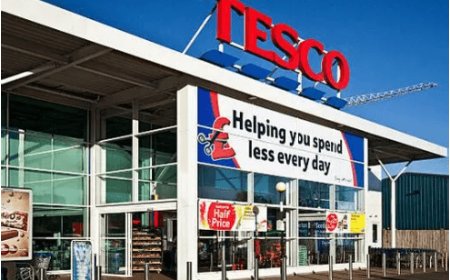
Tesco's decline was compounded by a fresh analyst downgrade, with one influential retail research house cutting its rating on the supermarket from "buy" to "hold" for the first time in more than three years, citing a fully priced valuation after a strong run for the shares rather than any deterioration in the underlying business.
By contrast, defence and aerospace names continued to attract buying interest, with BAE Systems and Babcock among the session's better performers. Analysts point to the sector's resilience amid heightened geopolitical uncertainty, as investors position for continued government spending on defence capability regardless of how the Middle East situation develops.
Mid-cap stocks told a slightly different story, with the FTSE 250 posting modest gains even as its larger blue-chip counterpart drifted lower — a divergence some strategists attribute to the mid-cap index's lighter exposure to global energy and commodity price swings.
All Eyes on US Inflation Data
Much of the caution gripping London trading desks on Wednesday has less to do with the Middle East directly and more to do with what happens later in the US trading session, when the latest Consumer Price Index reading is due. The data arrives after a weaker-than-expected US jobs report last week showed the world's largest economy shed more than 20,000 positions in July, raising fresh questions about the health of the American labour market and, by extension, the path of Federal Reserve interest rate policy.
A hotter-than-expected inflation print could complicate the Fed's ability to cut rates further this year, a scenario markets are watching closely given its knock-on implications for global borrowing costs, currency markets and, ultimately, UK monetary policy.
What It Means for UK Households
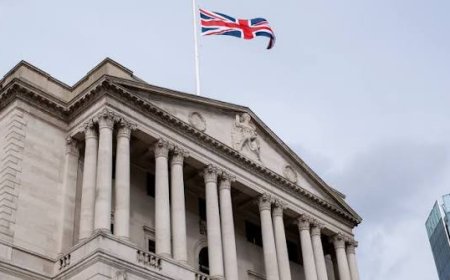
For ordinary consumers, the immediate concern is less about share prices and more about what elevated oil prices could mean at the pump and on energy bills heading into autumn. The Bank of England has already flagged that conflict-related disruption to energy markets poses a genuine risk to its efforts to bring inflation sustainably back towards its 2 percent target, having left interest rates unchanged at its most recent meeting amid exactly this kind of uncertainty.
Economists caution against reading too much into a single day's trading, noting the FTSE 100 has moved within a tight band for more than a week as summer liquidity remains thin. Still, the underlying message from markets is clear: until there is greater clarity over the Strait of Hormuz standoff, UK and global investors are likely to remain in a defensive, wait-and-see posture.
Looking Ahead
With the Bank of England's next policy decision not due until September, attention now turns to how quickly — or slowly — the geopolitical picture in the Gulf evolves, and whether today's US inflation figures add fuel to, or ease, the market's current nervousness.
Next Article
What's Your Reaction?
 Like
0
Like
0
 Dislike
0
Dislike
0
 Love
0
Love
0
 Funny
0
Funny
0
 Angry
0
Angry
0
 Sad
0
Sad
0
 Wow
0
Wow
0