





















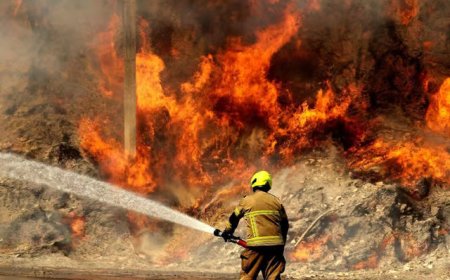




30 Million Face Water Restrictions in England Drought
England's drought has expanded to cover most of the country, with nearly 30 million people under hosepipe bans as farmers and rivers face mounting strain.

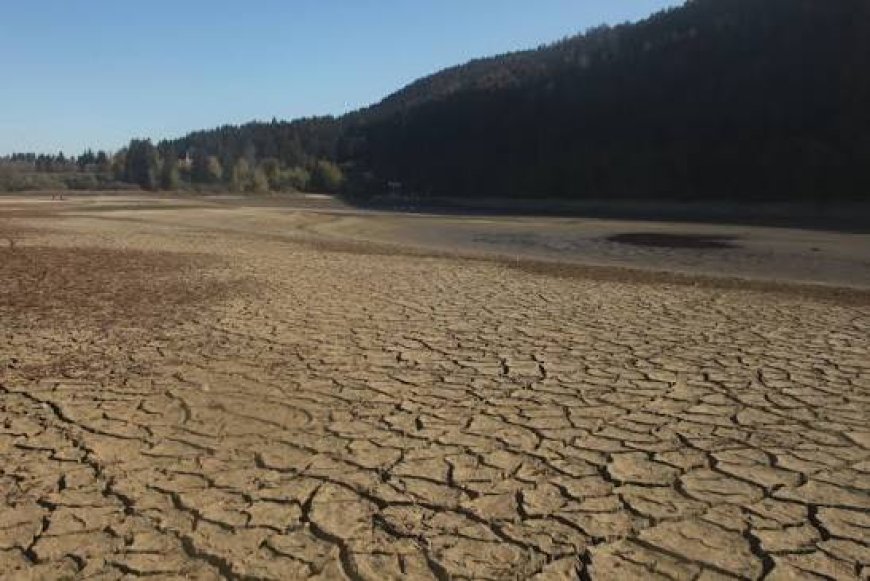
Nearly 30 Million People in England Now Living Under Water Restrictions as Drought Deepens
England's second consecutive summer of serious drought shows little sign of easing, with the latest government assessment confirming that almost three-quarters of the country remains officially classified as being in drought. Roughly 29 million people are now living under some form of water-use restriction, making this among the most widespread set of measures introduced by water companies in recent years.
How the Situation Has Escalated
The scale of this year's dry spell has surprised even seasoned water resource planners. England and Wales recorded one of their driest Julys on record, with some regions receiving barely a tenth of their long-term average rainfall for the month. Seven consecutive weeks passed with less than 10mm of rain falling across large parts of the country, and eastern and south-eastern England fared even worse, with some areas recording under 1mm across an entire week.
The consequences have rippled through the water system. Reservoir storage across England has fallen well below its long-term average, with several individual reservoirs now classified as exceptionally low. River flows and groundwater levels have declined in tandem, with monitoring stations across the country reporting conditions below normal for the time of year.
Nine Water Companies, Millions Affected
In response, nine water companies across England and Wales have introduced Temporary Use Bans — commonly known as hosepipe bans — restricting customers from using hoses for gardens, car washing, filling paddling pools or topping up private pools. Affinity Water, Southern Water, Thames Water, South West Water, Essex & Suffolk Water, Wessex Water and Yorkshire Water are among those with restrictions currently in force across some or all of their supply areas, with several companies extending or widening bans as conditions have worsened through August.
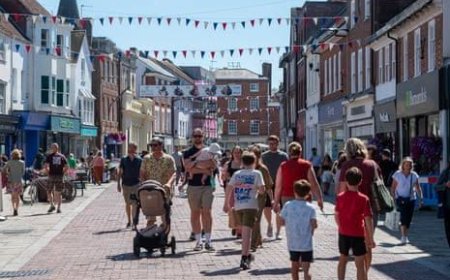
Not every region has been affected equally. Some water companies, serving millions of customers in parts of northern England, currently have no restrictions in place, reflecting how unevenly this summer's dry weather has distributed itself across the country. That patchwork means holidaymakers and residents in some areas face no disruption at all, while those elsewhere are being asked to significantly curb everyday water use.
Farmers Bear the Brunt
Beyond household inconvenience, the agricultural sector is facing some of the most serious consequences of the drought. Officials have reported poor crop yields and reduced grass growth affecting livestock farmers across multiple regions, with some agricultural boreholes reported to be running dry and farm reservoirs sitting at critically low levels. More than 1,500 abstraction licence restrictions are currently in place nationally, including mandatory reductions on spray irrigation in East Anglia, one of England's most important arable farming regions.
Industry bodies representing food producers have called on the government to do more to help firms manage rising costs linked to the drought, warning that prolonged water stress could affect food supply chains and push up prices for consumers later in the year.
Officials Warn of No Quick Fix
Helen Wakeham, who chairs the National Drought Group — a body bringing together the Environment Agency, government officials and water company representatives — has described the situation as "an exceptionally serious situation" with effects likely to be felt well beyond this summer. The group, which meets regularly to coordinate the national response, has cautioned that even a return to normal rainfall levels would take considerable time to meaningfully replenish depleted reservoirs and groundwater reserves.
Environment Agency officials have been explicit that a handful of rainy days will not resolve the underlying deficit. Sustained, above-average rainfall over an extended period would be required to lift reservoir levels and groundwater back toward historic norms — a scenario that current forecasts do not clearly support in the short term.
A Pattern Climate Scientists Say Is Becoming the Norm
This marks the third time in five years that England has experienced a formally declared drought, a frequency that climate scientists say aligns with long-standing warnings about how climate change is intensifying extreme weather patterns across the UK. Warmer average temperatures increase evaporation rates and raise household water demand simultaneously, compounding the pressure on supplies during periods of low rainfall.
With further dry, hot weather still forecast in parts of the country and temperatures tipped to climb again in some regions, officials say the drought is likely to persist for weeks yet. Households are being encouraged to continue conserving water wherever possible, even outside areas currently under formal restrictions, as the country works through what has become one of its most challenging periods for water resources in recent memory.
Next Article
What's Your Reaction?
 Like
0
Like
0
 Dislike
0
Dislike
0
 Love
0
Love
0
 Funny
0
Funny
0
 Angry
0
Angry
0
 Sad
0
Sad
0
 Wow
0
Wow
0